
1. Industry Overview: A Decade of Rapid Expansion
The active dry yeast industry is currently experiencing a “golden age” of growth, with domestic sales increasing at a steady rate of 10%–15% annually.
Key Growth Milestones:
- Production Surge: From 18,000 tons in 1998 to over 48,000 tons in recent years.
- Enterprise Growth: The number of large-scale production facilities expanded from just 3 to over 14 major players.
- Technological Advancement: Modern equipment has reached international standards, resulting in higher “single-tank” yields and significantly lower energy consumption.
2. The Production Process: From Molasses to Market
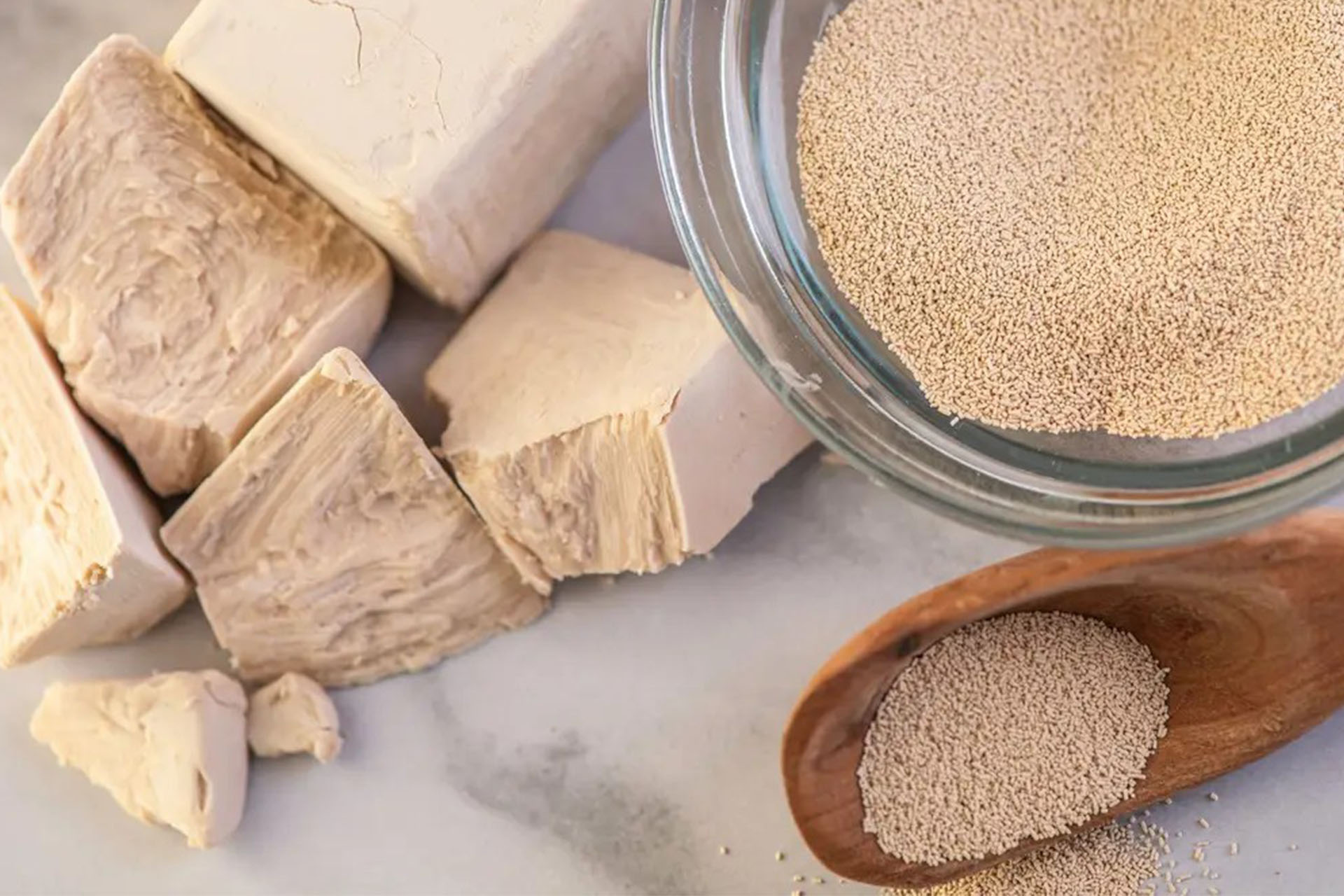
Active dry yeast is a high-value product created from industrial “waste.” The primary raw material is molasses, a byproduct of sugar refineries.
The Manufacturing Chain:
- Strain Preparation: Selecting high-activity yeast cultures.
- Fermentation: Large-scale growth in controlled tanks using molasses.
- Separation & Filtration: Isolating the yeast cells from the fermentation broth.
- Drying: Reducing moisture while maintaining cell viability.
- Vacuum Packaging: Ensuring long shelf life and activity.
3. Market Demand and Diversification
The market has moved away from “one-size-fits-all” yeast toward specialized products tailored to specific culinary and industrial needs.
Specialized Yeast Varieties:
- Bakery: High-sugar and low-sugar varieties for bread and steamed buns.
- Alcohol & Brewing: High-temperature resistant strains for liquor, wine, and beer.
- Nutritional/Medicinal: Yeast extracts and feed-grade yeast for livestock.
Consumer Consumption Patterns:
- The “Northern Habit”: In Northern China, 70% of wheat flour is used for steamed buns, driving a massive demand for small-pack home yeast (approx. 8,000 tons annually).
- The Brewing Industry: With an annual liquor production of 5 million tons, the industry requires thousands of tons of high-activity brewing yeast.
4. Market Competition and Profitability
Despite being a “technology-intensive” industry with high entry barriers, the profit margins remain attractive.
- Gross Margin: The industry enjoys an average gross margin of over 40%.
- Input-Output Efficiency: 5–7 tons of molasses (approx. 1,000 yuan/t) can produce 1 ton of active dry yeast (market price > 20,000 yuan/t).
Industry Insight: While competition is fierce, it is not “brutal.” Because ADY production lines are specialized and cannot be easily converted to other products, the number of “regular” manufacturers remains limited compared to other food sectors.
5. Export Growth: Taking Domestic Yeast Global
The international footprint of domestic yeast has expanded significantly.
- Volume: Exports grew from less than 1,000 tons in the 1990s to over 10,000 tons today.
- Reach: Domestic yeast is now exported to more than 40 countries and regions, including Central Asia, Eastern Europe, and beyond.
FAQ
What are the key stages in the historical evolution of China’s yeast industry?
The industry has transitioned from traditional, small-scale production to a globally competitive, high-tech sector. Initially, China relied heavily on imported yeast and traditional sourdough methods. However, starting in the late 20th century, the domestic industry underwent a period of rapid “technological digestion” and expansion. Today, China has moved into a leadership phase, characterized by independent R&D, the construction of massive automated production lines, and a significant increase in export volume to international markets.
What modern technological trends are currently shaping the future of yeast production in China?
The focus is currently shifting toward specialization and functional diversification. Beyond standard bread yeast, Chinese manufacturers are developing high-tolerance strains, such as high-sugar resistant yeast for sweet pastries and low-sugar yeast for traditional mantou. Additionally, there is a strong emphasis on “biotechnology integration,” where yeast is not just used for leavening but also as a source for yeast extracts and nutritional supplements, catering to the growing global health and wellness market.


