
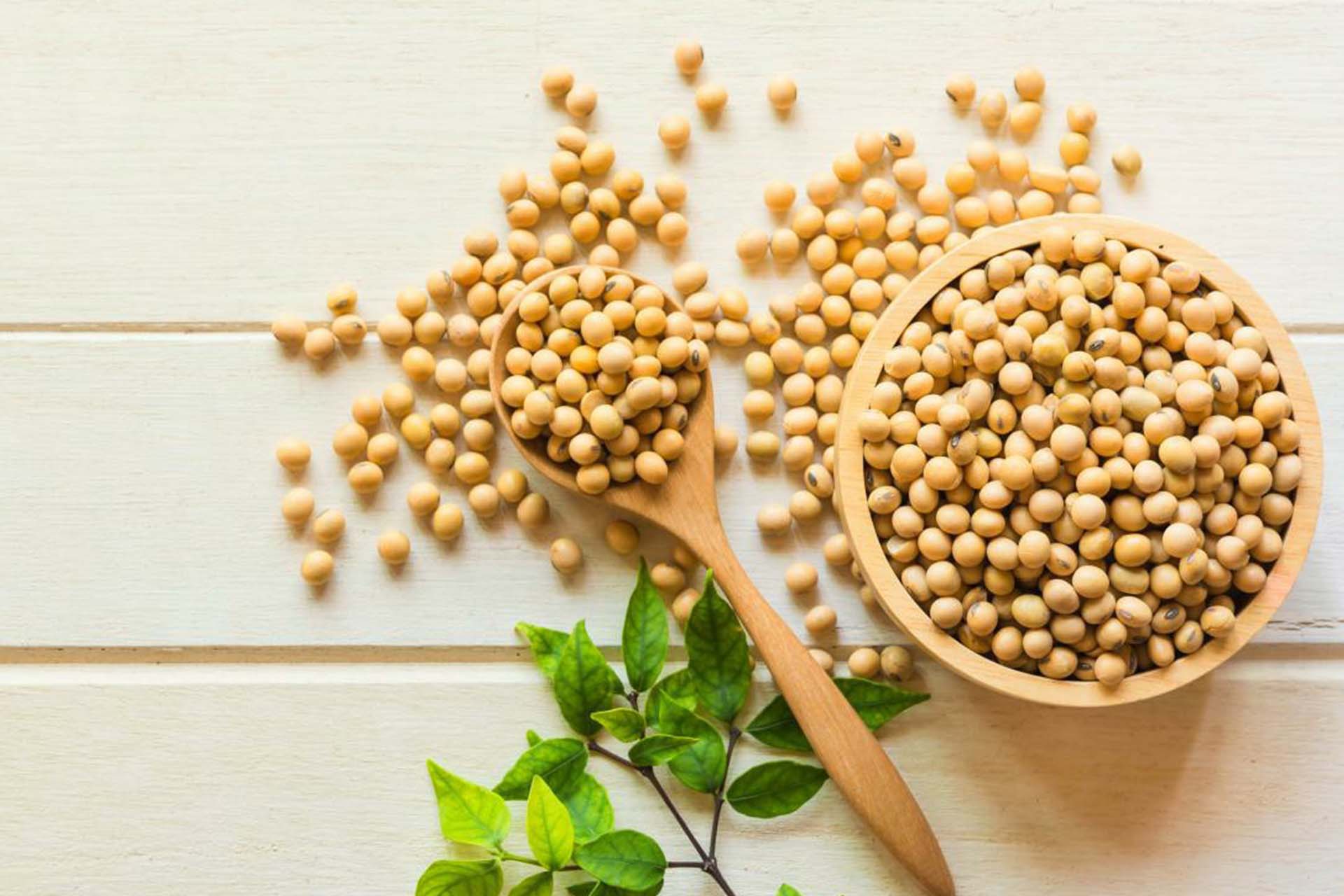
Soybeans have been grown as a commercial crop in the United States since the 1920s. They are a rich source of plant-based nutrients and serve as the foundation for several important food ingredients, including soy protein, soy flour, and soy fiber. These ingredients play a significant role in both traditional and modern food applications.
Nutritional Composition of Soy Products
Soy Flour and Soy Protein
Soy flour contains approximately 50% protein, while isolated soy protein contains about 90% protein. Both products are naturally low in fat. In terms of carbohydrates, soy flour contains around 34% carbohydrates, whereas soy protein contains no carbohydrates, making it suitable for specialized nutritional formulations.
Soy Fiber
Soy fiber is a concentrated source of dietary fiber, consisting of:
- 75% dietary fiber
- 12% protein
- Less than 0.2% fat
It contains both soluble and insoluble fiber, contributing to its wide range of health benefits.
Traditional and Modern Uses of Soy Protein
Traditionally, soy protein has served as a substitute for animal protein. Over time, its functionality and nutritional value have expanded its applications across multiple sectors.
Common Applications of Soy Protein
Soy protein is widely used in:
- Infant formulas
- Medical nutrition products
- Protein supplements
- Bakery products
Soy protein concentrate is commonly incorporated into processed meat products such as hot dogs, sausages, and bologna. It also functions as a protein extender in frozen meals, pizza toppings, tacos, meat spreads, and poultry products due to its excellent water- and fat-binding capacity.
Tofu as a Soy Protein Product
Tofu is a well-known soy protein food produced from soy flour or soy milk. It is created by precipitating soy protein from soy milk to form a curd, resulting in a texture similar to cottage cheese.
Applications of Soy Fiber
Various types of soy fiber products are used in:
- Liquid diet formulas for hospitals
- Low-calorie breads
- Baked goods
Because of its high fiber content and low fat level, soy fiber is frequently used to enhance the nutritional profile of foods without significantly altering taste or texture.
Health Benefits of Soy Fiber
Soy fiber has been extensively studied for its physiological benefits.
Cardiovascular and Digestive Benefits
Research shows that soy fiber can:
- Lower blood cholesterol levels
- Improve bowel function
Blood Sugar Management
Studies also indicate that soy fiber may help regulate blood glucose levels in individuals with diabetes. Due to these benefits, soy fiber is considered one of the most effective dietary fiber supplements available.
Increasing Your Daily Fiber Intake
Best Dietary Sources of Fiber
If your daily fiber intake is insufficient, increasing fiber-rich foods can help support digestive and overall health. Good sources of dietary fiber include:
- Whole grain products
- Fruits
- Vegetables
- Soybeans, peas, and other legumes
- Nuts and seeds
Foods Low in Fiber
Refined and highly processed foods typically contain little fiber, including:
- Canned fruits and vegetables
- Pulp-free fruit juices
- White bread and pasta
- Refined grains
During grain refining, the husk (bran) is removed, significantly reducing fiber content. Although fortified foods may have added B vitamins and iron, they generally do not replace the fiber lost during processing.
Conclusion
Soy protein and soy fiber offer distinct nutritional and functional advantages. While soy protein provides a high-quality plant-based protein source, soy fiber delivers exceptional digestive and metabolic benefits. Together, they contribute to healthier food formulations and improved dietary quality.
How does the “Complete Protein” profile of soy benefit a plant-based diet?
Soy protein is one of the few plant-based sources considered a “complete protein.” This means it contains all nine essential amino acids that the human body cannot produce on its own and must obtain through food.
Muscle & Tissue Support: Because it is rich in leucine, valine, and isoleucine, it effectively supports muscle repair and metabolic health, making it an ideal core ingredient for vegan and vegetarian nutrition.
High PDCAAS Score: Soy protein consistently earns a high Protein Digestibility Corrected Amino Acid Score (PDCAAS), making its quality comparable to animal proteins like meat, eggs, and dairy.
What role does “Soy Fiber” play in digestive health and blood sugar management?
Soy fiber, often derived from the cell walls of the soybean (cotyledon fiber), provides significant functional health benefits beyond simple digestion:
Prebiotic Effect: Soy fiber acts as a fuel source for beneficial gut bacteria, supporting a healthy microbiome and improving overall gastrointestinal regularity.
Satiety and Weight Management: Soy fiber absorbs water and expands in the digestive tract, promoting a feeling of fullness. This can help reduce overall calorie intake and assist in weight management.
Blood Sugar Regulation: The presence of soy fiber slows down the absorption of glucose in the bloodstream. This prevents rapid “spikes” in insulin, making soy-enriched foods a beneficial choice for individuals looking to maintain stable blood sugar levels.


