
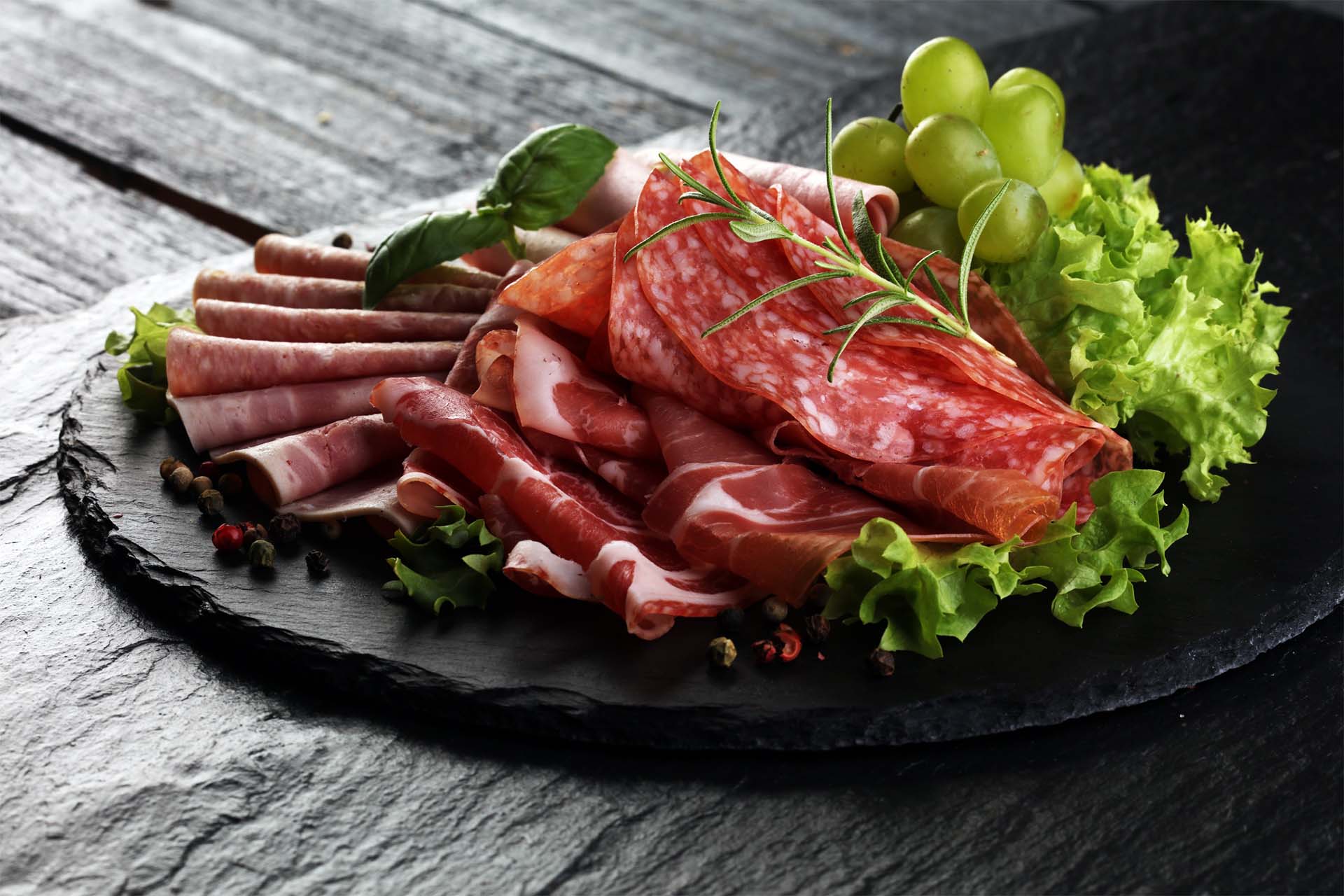
In the competitive landscape of meat production, maintaining moisture and improving product “bite” are essential for consumer satisfaction. Injectable Soy Protein Isolate (ISPI) is a specialized functional protein designed specifically for high-performance meat processing.
Unlike standard isolates, injectable soy protein undergoes deep enzymatic hydrolysis. This process shortens the molecular chains, resulting in a low-viscosity, high-solubility protein that can be seamlessly integrated into whole muscle meats.
Key Classifications in Meat Production
Soy protein isolates are categorized based on their functional application in the factory:
- Injectable Type: Low viscosity for deep fiber penetration in whole muscle.
- Emulsification Type: High fat-binding capacity for sausages and patties.
- Gel Type: High-strength structural binding for reformed meats.
Performance Features of Injectable Soy Protein
Injectable isolates are engineered to solve specific challenges in the meat-curing and brining process:
1. Rapid Solubility & Low Viscosity
The primary feature of ISPI is its ability to dissolve instantly in cold aqueous solutions. Because the mixture maintains a low viscosity, it prevents clogging in injection machinery, ensuring an even distribution throughout large meat pieces like ham or poultry breasts.
2. Deep Fiber Dispersion
Thanks to enhanced hydrophilicity, the protein chains disperse easily into the meat fibers. During the mechanical injection process, the protein fills the interstitial spaces, leading to a more uniform texture.
3. Superior Water Retention (Yield Enhancement)
ISPI has a lower denaturation temperature than animal protein. This means it begins to bind water before the meat protein does during the cooking cycle, effectively “locking in” moisture and significantly increasing the final product yield.
Technical Specifications
For food manufacturers adhering to quality standards, our Injectable Soy Protein Isolate meets the following criteria:
- Protein Content (Dry Basis): ≥90%
- Active Ingredients: Food Grade Soy Protein
- Implementation Standard: GB/T 20371–2006
- Process: Deep Enzymatic Hydrolysis
- Primary Application: Injection of large-piece ham, bacon, and whole poultry.
Why Use Injectable Isolates?
- Improved Texture: Enhances the “crispness” and toughness of meat slices, preventing a “mushy” mouthfeel.
- Visual Appeal: Improves the surface texture of cut meat pieces, making them look more prominent and appetizing.
- Cost Efficiency: By improving water retention and reducing weight loss during cooking, manufacturers can achieve better margins without sacrificing quality.
Conclusion: Elevating Meat Quality through Science
Injectable Soy Protein Isolate is the secret behind succulent, high-yield meat products. By optimizing the thermal gel performance and water-binding capacity, it allows processors to deliver a premium experience to the end consumer.
FAQ
What makes Injectable Soy Protein Isolate different from standard soy protein?
Injectable Soy Protein Isolate is specifically engineered for high solubility and low viscosity. Unlike standard isolates that might thicken or clog equipment, the injectable grade is designed to dissolve completely into a brine solution. This allows it to pass through fine injection needles smoothly, ensuring the protein is distributed evenly throughout the muscle tissue of whole-muscle meats, like hams or poultry, without creating “protein pockets” or blockages in the machinery.
How does using injectable soy protein benefit the production of whole-muscle meat products?
The primary benefit is the significant improvement in brine retention and slicing yield. By injecting a protein-rich brine directly into the meat, the soy protein binds with the natural meat fibers to lock in moisture during the cooking process. This results in a much juicier final product with improved texture. Furthermore, it enhances the “sliceability” of the meat, reducing crumbling or tearing during high-speed industrial slicing, which is critical for producing consistent, high-quality deli meats and retail-ready packages.


