
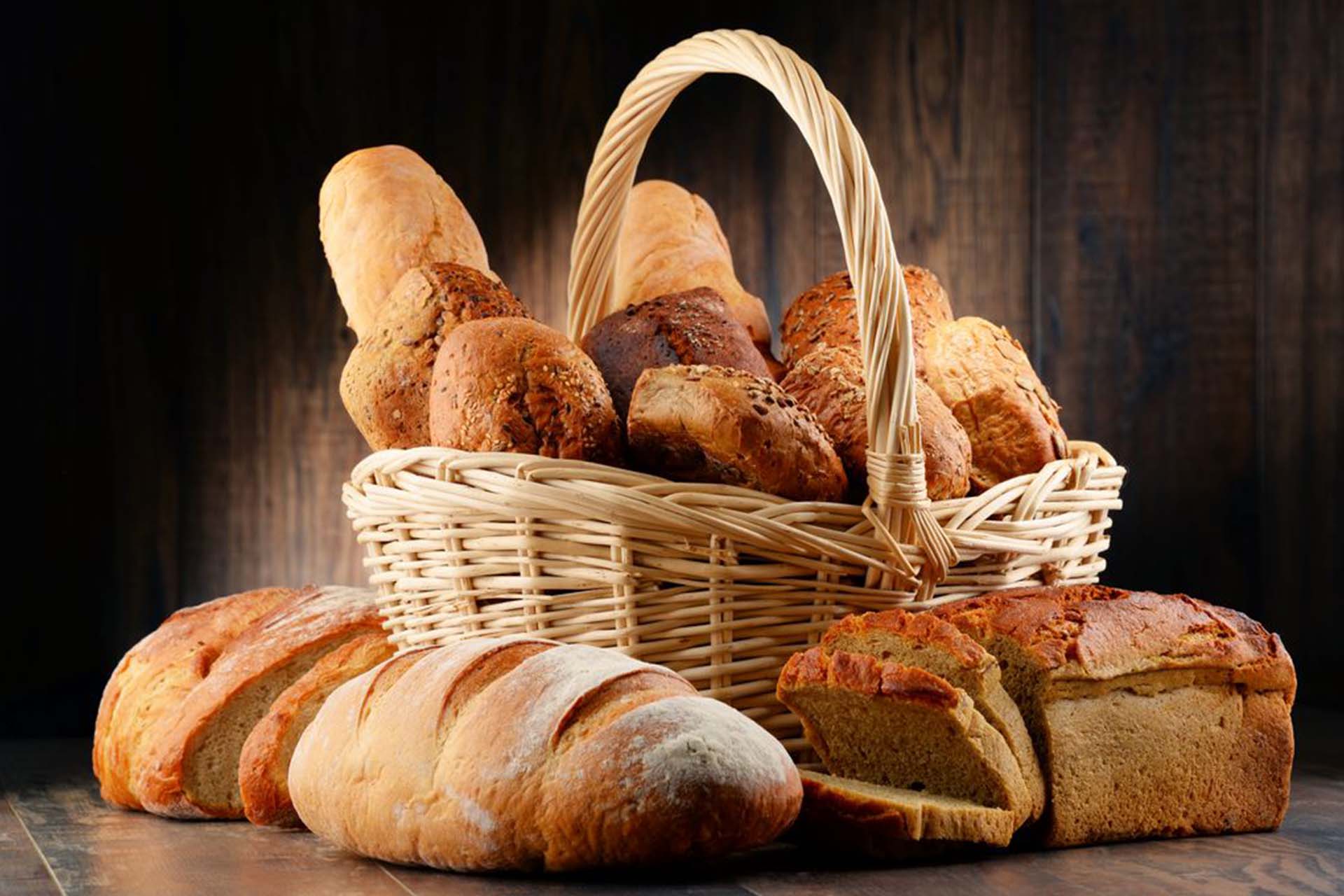
From the ancient ovens of Egypt to the high-tech bakeries of Tokyo, bread has been the “staff of life” for over 4,000 years. Whether it is a crusty French baguette or a soft Japanese milk bread, the secret to the perfect loaf lies in its cultural heritage and its fermentation technique.
Iconic Breads of the World
Every region has developed unique recipes based on local climate, ingredients, and traditions.
1. French Bread (Baguette & Croissant)
- The Baguette: Protected by French law, a true baguette must only contain flour, yeast, and brine. It typically weighs 250g and measures 65cm.
- The Croissant: Created to celebrate the victory at the Battle of Vienna, its iconic crescent shape is a staple of European pastry.
2. German Bread (Brezel)
German bread culture spans 800 years. The Brezel (Pretzel) is famously dipped in an alkaline solution before baking. This alkalinity neutralizes the acidity of beer, making it the world’s most famous pub snack.
3. Russian “Leba” (Big Bread)
Historically baked in communal village stoves, Russian Daleba is famous for its massive size. It was designed to be stored for long periods and sliced as needed.
4. Italian Ciabatta
Meaning “slipper,” Ciabatta was created in the 20th century by Italian bakers to compete with the rising popularity of French baguettes used for sandwiches.
5. Arabic Pita
Common across the Mediterranean, Pita uses high-temperature steam expansion to create a hollow pocket, perfect for stuffing with falafel or meats.
6. Japanese & Taiwanese Soft Breads
Rising stars in the baking world, these “Asian-style” breads are known for being sweet, soft, and creative. Popular varieties include Pineapple Buns, Meat Floss Bread, and Matcha Shredded Buns.
5 Professional Fermentation Methods
The discovery of yeast changed everything. Here are the most effective ways to develop flavor and texture in your dough.
1. The “Old Dough” Method (Pâte Fermentée)
Commonly used in European sourdoughs, this method involves saving a piece of dough from a previous batch to jumpstart the next.
- Best for: Adding a slight tang and complexity to crusty breads.
- How-to: Save a small portion of your raw dough, seal it, and refrigerate it for your next bake.
2. Natural Fruit Yeast (Grape Starter)
Using the natural yeast found on fruit skins creates a highly moisturizing dough with a subtle fruity aroma.
- Recipe: * Day 1-7: Mix 500g washed raisins, 50g sugar, and 500g water in a sterile jar at 28°C.
- Day 8-10: Gradually feed the “yeast water” with high-gluten flour until a stable starter is formed.
3. The Poolish Method (Polish Starter)
Originated in Poland and popularized in France, this method creates a crispy crust and a chewy, airy interior.
- Formula: 100g high-gluten flour + 100g warm water + 2g dry yeast.
- Timing: Let sit for 8 hours at room temperature or 24 hours in the fridge.
4. The Scalded Flour Method (Tangzhong/Yudane)
By “cooking” the starch with boiling water ($70\text{–}100^\circ\text{C}$), you gelatinize the flour, allowing it to hold more moisture.
- Best for: Ultra-soft sandwich bread and toast that stays fresh for days.
- Recipe: 200g boiling water + 180g high-gluten flour + 20g corn starch. Mix until it forms a gelatinous ball.
5. The Liquid Seed Method (Sponge Method)
Widely used in Japanese and Taiwanese bakeries to activate yeast activity before the main mix.
- Best for: Sweet, enriched breads.
- How-to: Take 20% of your recipe’s flour, mix with equal parts warm water and yeast, and let stand for 1–2 hours before adding the remaining ingredients.
Comparison of Methods
| Method | Best For | Key Characteristic |
| Old Dough | Baguettes / Sourdough | Sour flavor & rustic texture |
| Poolish | Artisanal Loaves | Crispy crust & large holes |
| Scalded (Hot) | Sandwich Toast | Extreme softness & long shelf life |
| Fruit Yeast | Specialty Breads | Natural aroma & high moisture |
Conclusion
Bread is more than just food; it is a historical record of human civilization. Whether you prefer the crunch of a French baguette or the pillowy softness of a Japanese milk bread, the fermentation method you choose will define your loaf.
Based on the content of this article, please generate two FAQs related to this article.
The main difference lies in the protein content and the resulting texture of the finished product. High-gluten flour contains more protein (usually 12.5% to 13.5%), which creates a strong elastic network ideal for chewy, structured items like bread and pizza dough. In contrast, low-gluten flour (cake flour) has less protein (typically 7% to 9%), leading to a weaker structure that produces the tender, crumbly texture desired in cakes, biscuits, and pastries.
Why is natural yeast (sourdough starter) often preferred over commercial yeast?
Natural yeast is favored for its ability to enhance both flavor and nutritional value. Unlike commercial yeast, which provides a fast and uniform rise, natural yeast involves a slower fermentation process that breaks down complex starches and gluten more thoroughly, often making the final product easier to digest. This process also produces organic acids that give the bread a unique, tangy flavor profile and a more varied crumb structure.


