
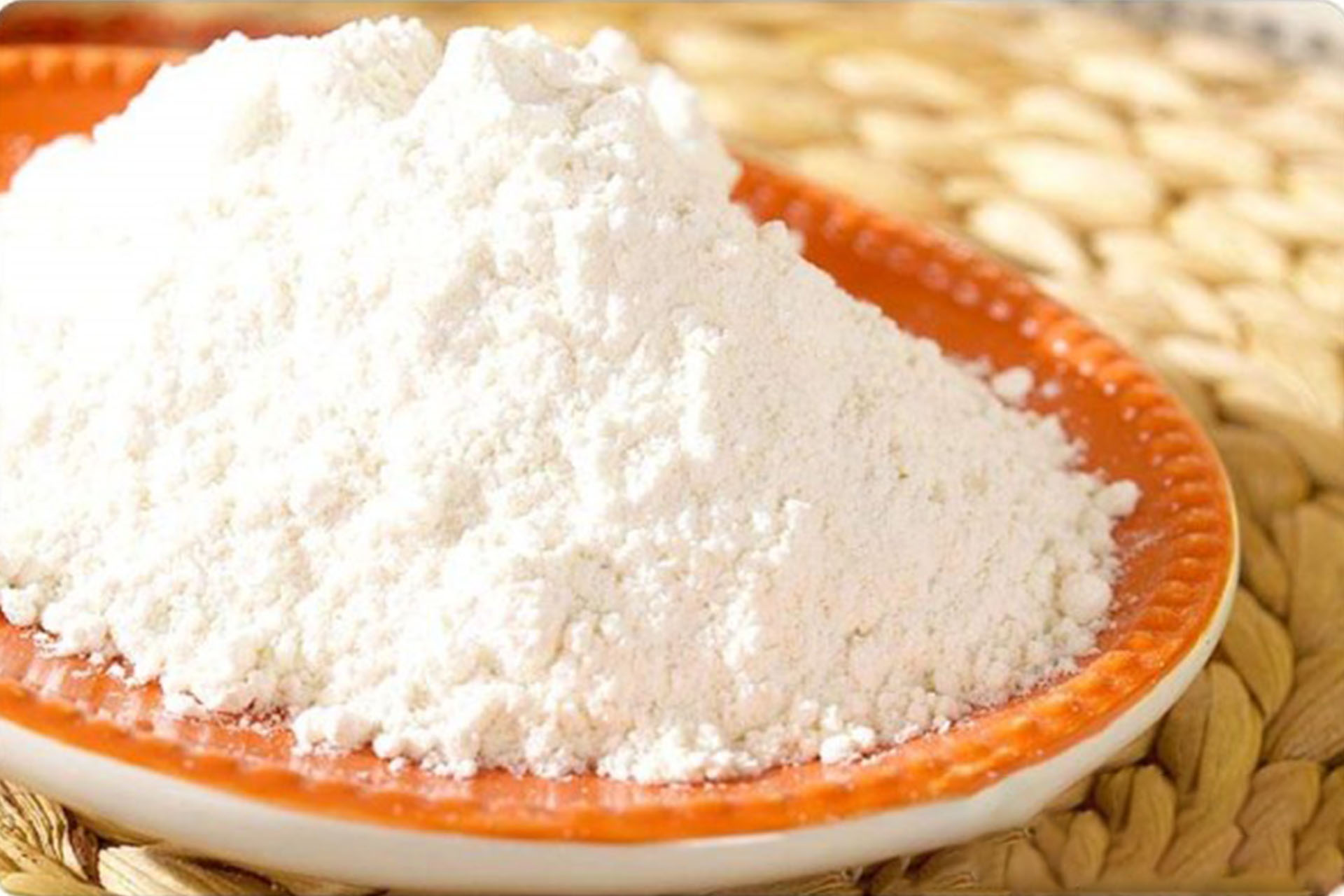
Isolated Soy Protein (ISP) has become the gold standard for meat manufacturers due to its high protein concentration and functional flexibility. While many methods exist for incorporating ISP, the chopping machine method remains the most popular due to its ability to maximize emulsification and texture.
The following is a detailed comparison of the five primary application methods used in modern food production.
1. The Rehydration Method (Most Popular)
This is the industry standard for most emulsified meat products (like frankfurters or bologna). It focuses on the sequential extraction of proteins at controlled temperatures.
- Step 1: Combine ISP with 4–5x ice water in the chopper. Mix at high speed for 1–2 minutes.
- Step 2: Add lean meat, salt, and polyphosphates. Chop at high speed for 2 minutes.
- Critical Temp: 2–4°C (Ideal for salt-soluble protein extraction).
- Step 3: Add fat/backfat and remaining ice water. Continue chopping for 2 minutes.
- Final Temp: 6–8°C.
2. The Gel Method
The Gel Method is favored for its convenience and ability to be prepared in advance.
- Process: ISP is emulsified with 4x water at high speed to create a thick gel. This gel is then added to lean meat during the chopping process.
- Storage: While the gel can be refrigerated for 2–3 days, it is highly susceptible to bacterial growth and rancidity. It is best practice to use the gel as soon as possible to maintain product freshness.
3. The Injection & Tumbling Method
Used primarily for whole-muscle products or large cuts of meat to increase yield and tenderness.
- Small Cuts (<6cm): ISP is added via tumbling/massaging to ensure surface absorption.
- Large Cuts: A modified ISP is dissolved into a brine solution and injected directly into the meat.
- Benefits: Shortens curing time, ensures even distribution of flavor, and significantly increases the final product yield.
4. The Emulsified Oil Method
This method is used to transform low-value fats (chicken skin, pig skin, vegetable oil) into a stable, aromatic meat component.
- Process: Rehydrate the ISP in the chopper, add the oil/fat, and mix until a stable emulsion forms.
- Application: Add this emulsified oil after the salt-soluble meat proteins have been extracted.
- Pros/Cons: More complex than the Gel Method, but it significantly lowers production costs while enhancing the aroma and flexibility of the final product.
5. The Dry Addition Method (Not Recommended)
While this is the simplest method, it often results in inferior product quality.
- The Process: Adding dry ISP directly to lean meat during chopping.
- Why it fails: If ISP is not fully rehydrated before it encounters salt or fat, its functional properties—like water absorption and oil retention—cannot fully exert themselves.
- The Result: Products made with dry addition are typically softer, have poor texture, and suffer from higher purge (moisture loss) during cooking.
Technical Comparison Matrix
| Method | Best For | Complexity | Key Advantage |
| Rehydration | General Sausages | Medium | Maximum protein functionality |
| Gel | Batch Production | Low | Can be prepared in advance |
| Injection | Hams & Roasts | High | Increases yield in whole cuts |
| Emulsified Oil | Cost Reduction | High | Uses low-value fats effectively |
| Dry Addition | Budget Products | Very Low | Fast, but sacrifices quality |
Conclusion: The Importance of Full Rehydration
Regardless of the method chosen, the most critical factor is hydration. Because salt can trigger a reversible reaction that weakens the emulsifying properties of soy protein, ISP must be completely rehydrated before it interacts with salt. Failing to do so will compromise the structural integrity and juiciness of the meat product.
FAQ
Why is Isolate Soybean Protein (ISP) preferred in beverage and dairy alternatives?
Isolate Soybean Protein is highly valued in the beverage industry due to its high solubility and excellent emulsification properties. Unlike other plant proteins that may leave a gritty texture, ISP can be finely dispersed to create a smooth, creamy mouthfeel. Furthermore, it has a neutral flavor profile and high dispersibility, making it an ideal ingredient for fortifying protein drinks, meal replacements, and non-dairy milk alternatives without altering the intended taste of the product.
How does Isolate Soybean Protein enhance the quality of baked goods?
In baking, ISP serves as a multifunctional ingredient that improves both the nutritional profile and the structural integrity of the final product. It enhances water retention in dough, which helps keep breads and cakes moist for longer, effectively extending shelf life. Additionally, its film-forming abilities contribute to better crust browning and volume, while its high protein content allows manufacturers to produce “high-protein” or “fortified” snacks that appeal to health-conscious consumers.


