
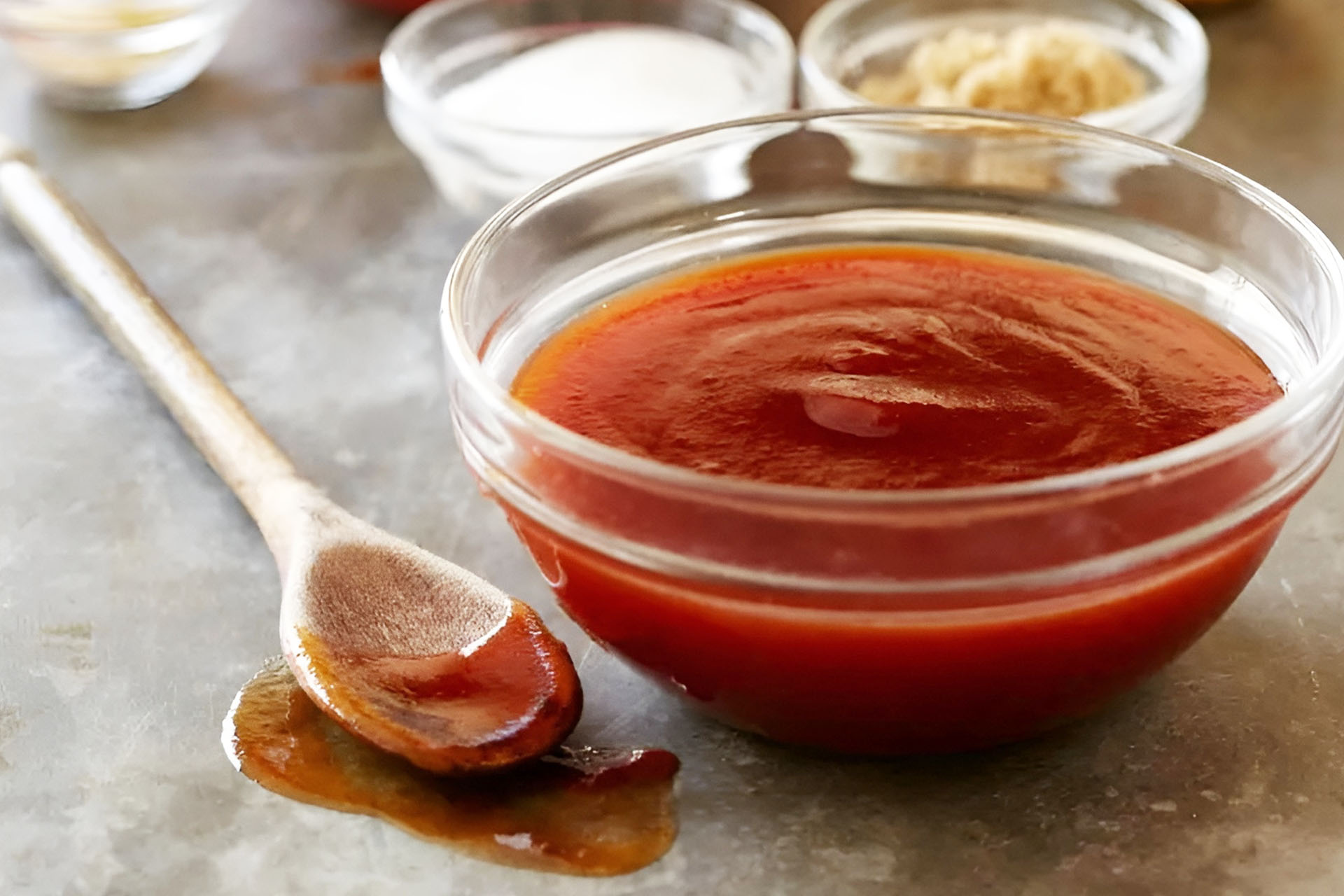
In the condiment market, sauces hold a significant position due to their unique flavor. However, these high-moisture, high-nutrient foods are highly susceptible to microbial growth, leading to spoilage. Sodium benzoate, with its highly effective antibacterial properties and manageable cost, has become a core additive in sauce preservation, with its usage consistently exceeding 60%.
1. Molecular Antibacterial Action: A Cell Membrane Penetrating Defense Mechanism
Sodium benzoate (C7H5NaO2) is the sodium salt of benzoic acid. It appears as white granules or powder and is readily soluble in water. Its use in food preservation dates back to the early 20th century, making it one of the longest-tested preservatives. Its antiseptic mechanism primarily relies on undissociated benzoic acid molecules: these molecules can penetrate microbial cell membranes, enter the cell interior, lower the intracellular pH, and interfere with the activity of microbial metabolic enzymes. In particular, they inhibit the acetyl-CoA condensation reaction, effectively inhibiting the growth and reproduction of yeast, mold, and some bacteria.
pH-Dependent Activation: In an acidic environment (pH 2.5-4.0), sodium benzoate dissociates into benzoic acid molecules, which are highly lipophilic and can penetrate microbial cell membranes. Experimental data show that at pH 3.5, its inhibition rate against Escherichia coli reaches 98.7%, while in a neutral environment (pH 7.0), the inhibitory effect drops sharply to 12.3%.
Multi-Target Destruction: After entering the cell, benzoic acid molecules disrupt the microbial survival mechanism through three mechanisms:
Metabolic Blockade: Inhibits the activity of amino acid transporters on the cell membrane, causing microbial death due to amino acid starvation.
Energy Deprivation: Acidifies the cytoplasmic matrix, interfering with ATP synthase function, leading to a breakdown in energy metabolism.
Structural Disintegration: Binds to microbial DNA, hindering replication and inducing genetic mutations.
For example, adding 0.08% sodium benzoate to chili sauce can extend the shelf life of the product from 7 days to 28 days at a constant temperature of 30°C, without significantly affecting sensory quality.
2. Dual Technological and Economic Advantages: A Rational Choice for the Sauce Industry
(1) Strong Process Compatibility
Solubility: Sodium benzoate has a solubility of 53g/100mL in water at 20°C, significantly higher than potassium sorbate (0.16g/100mL), allowing for rapid and even dispersion in sauce systems.
Thermal Stability: During high-temperature sterilization at 121°C, the decomposition rate of sodium benzoate is less than 0.5%, ensuring that the preservative effect is not affected by processing. Experiments at one company showed that the total colony count of tomato sauce containing sodium benzoate remained below 10 CFU/g after UHT sterilization.
(2) Significant Potential for Synergistic Enhancement
When sodium benzoate is combined with calcium propionate, its antimicrobial spectrum can be expanded to include heat-resistant bacteria such as Bacillus stearothermophilus. In soybean paste production, a combination of 0.05% sodium benzoate and 0.03% calcium propionate has extended the product’s shelf life from 6 months to 12 months.
3. Safety Regulation System: From Limit Standards to Risk Control
Risk Assessment Progress
Metabolic Safety: Sodium benzoate is primarily metabolized in the body to hippuric acid (99%) and a small amount of glucuronic acid conjugates, which are completely excreted within 24 hours. The ADI (Acceptable Daily Intake) is 0-5 mg/kg body weight. For a 60 kg adult, a daily intake of no more than 300 mg is considered safe.
Conclusion: Scientific Application Under Rational Understanding
Sodium benzoate, as the cornerstone of sauce preservation, has proven its technical value through a century of practical experience. When used in compliance with regulations, this substance can both ensure food safety and maintain sustainable industry development. In the future, with the integration of technologies such as smart packaging and active packaging, the application of sodium benzoate will evolve towards precision and functionality, continuing to protect the deliciousness and safety of our dining tables.


