
Have you ever noticed “calcium propionate” on the ingredient list when buying bread, pastries, or cheese? This seemingly unfamiliar chemical is actually an essential preservative in the food industry.
What is calcium propionate?
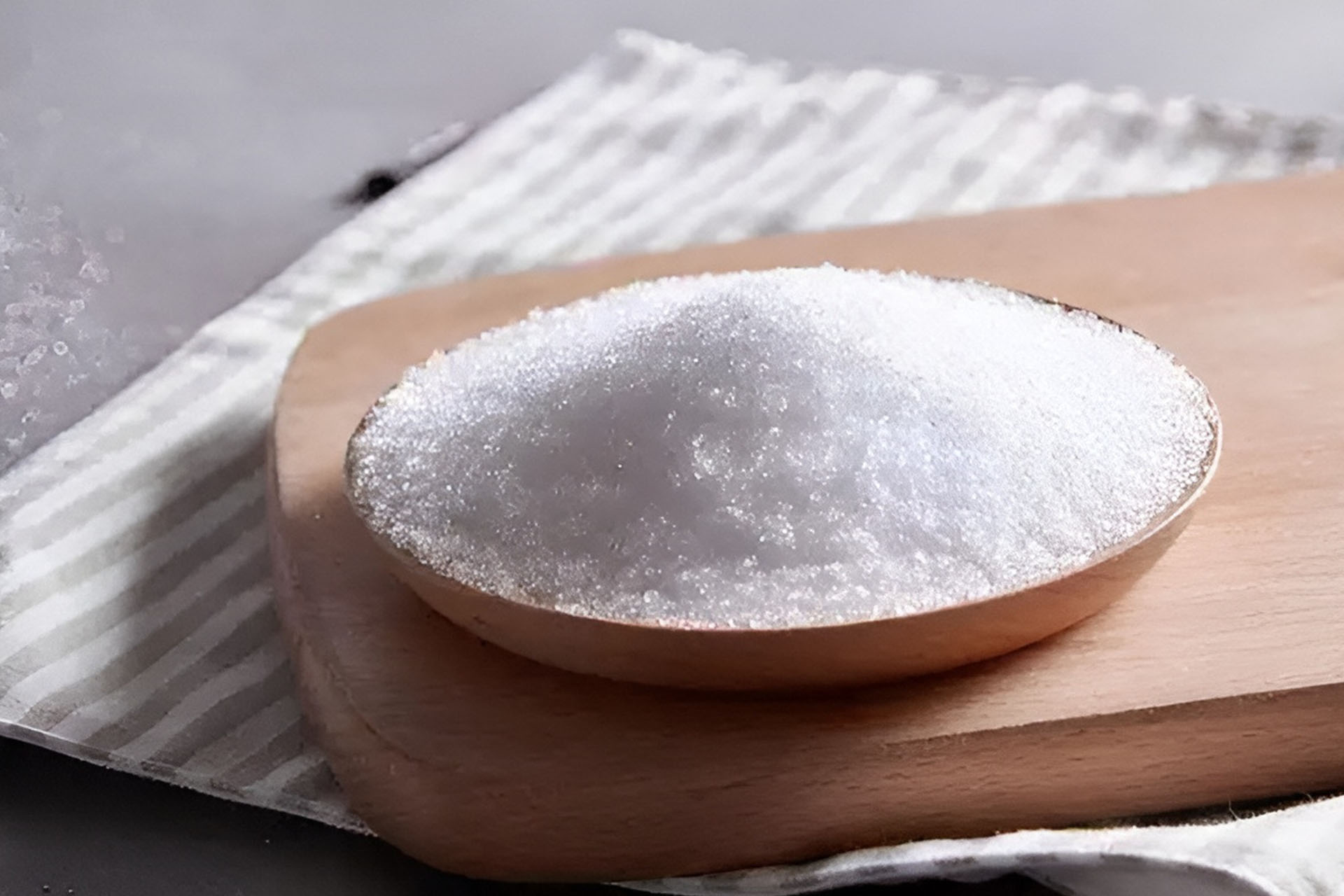
Calcium propionate is a naturally occurring organic acid salt formed by the combination of propionic acid and calcium ions, with the chemical formula Ca(C₂H₅COO)₂. It appears as a white crystalline powder, odorless or with a slight propionic acid odor, and is readily soluble in water. This substance was originally discovered during sugar metabolism, and later scientists discovered that it inhibits the growth of mold and certain bacteria.
Propionic acid is naturally present in many foods. In particular, the holes in Swiss cheese are formed by the fermentation of propionibacterium, which produces carbon dioxide and also propionic acid. This makes calcium propionate a relatively “natural” preservative option.
What does the FCC standard mean?
FCC (Food Chemicals Codex) is the abbreviation for the Food Chemicals Codex, published by the United States Pharmacopeial Society (USP). This is an internationally recognized set of standards for the purity and quality of food ingredients, trusted by regulators, manufacturers, and consumers worldwide.
FCC standards for calcium propionate include:
Purity requirement: Calcium propionate must have a purity of at least 99.0%
Heavy metal limit: Lead content must not exceed 2 mg/kg
Moisture content: Loss on drying must not exceed 5.0%
pH: The pH of a 10% aqueous solution should be between 6.0 and 9.0
Calcium propionate that meets FCC standards means it has undergone rigorous quality control and is free of harmful impurities that could pose a health risk, ensuring safety for use.
How does calcium propionate protect our food?
Calcium propionate’s preservative mechanism is ingenious: it penetrates the cell walls of microorganisms, breaking down into propionic acid within the cells. This lowers the intracellular pH, inhibiting their metabolic activity and thereby preventing their growth and reproduction. It has a particularly significant inhibitory effect on mold, aerobic Bacillus, and Gram-negative bacteria.
Compared to other preservatives like sodium benzoate and potassium sorbate, calcium propionate offers several unique advantages: it not only provides a preservative function but also provides calcium to foods; its range of action is more targeted, making it particularly suitable for baked goods; and it maintains a strong preservative effect even under neutral conditions.
Applications of Calcium Propionate in Food
Calcium propionate is most commonly used in baked goods. Starchy foods like bread, cakes, and mooncakes are susceptible to mold contamination, and adding 0.1-0.3% calcium propionate can significantly extend their shelf life. Notably, calcium propionate does not affect yeast fermentation, as some preservatives do, which is crucial for baked goods.
In dairy products, calcium propionate is used to prevent cheese from mold; in meat products, it inhibits the growth of bacteria that cause spoilage. Furthermore, it is commonly used in condiments and beverages such as soy sauce, vinegar, and juice. According to China’s national standard GB2760, “Standards for the Use of Food Additives,” the maximum usage of calcium propionate in various foods ranges from 0.25g/kg to 4.0g/kg, depending on the food category. These limits ensure that calcium propionate protects food without posing risks to human health.
Safety and Health Considerations
The safety of calcium propionate has been recognized by multiple international organizations. Both the World Health Organization’s Joint Expert Committee on Food Additives (JECFA) and the U.S. Food and Drug Administration (FDA) have designated calcium propionate as a “Generally Recognized as Safe” (GRAS) substance.
After ingestion, calcium propionate breaks down into propionic acid and calcium ions. Propionic acid participates in normal metabolic processes in the body and is ultimately converted into carbon dioxide and water for excretion, while calcium ions can be absorbed and utilized by the body. This metabolic property makes calcium propionate a relatively safe food additive.
While pursuing natural, fresh food, we should not simply dismiss all food additives as “hazardous.” As demonstrated by the FCC standard for calcium propionate, scientifically used food additives play an irreplaceable role in ensuring food safety and reducing food waste. This invisible guardian of food preservation, with its high efficiency and relative safety, silently protects our daily diet and makes the modern food supply chain more reliable and sustainable.


