
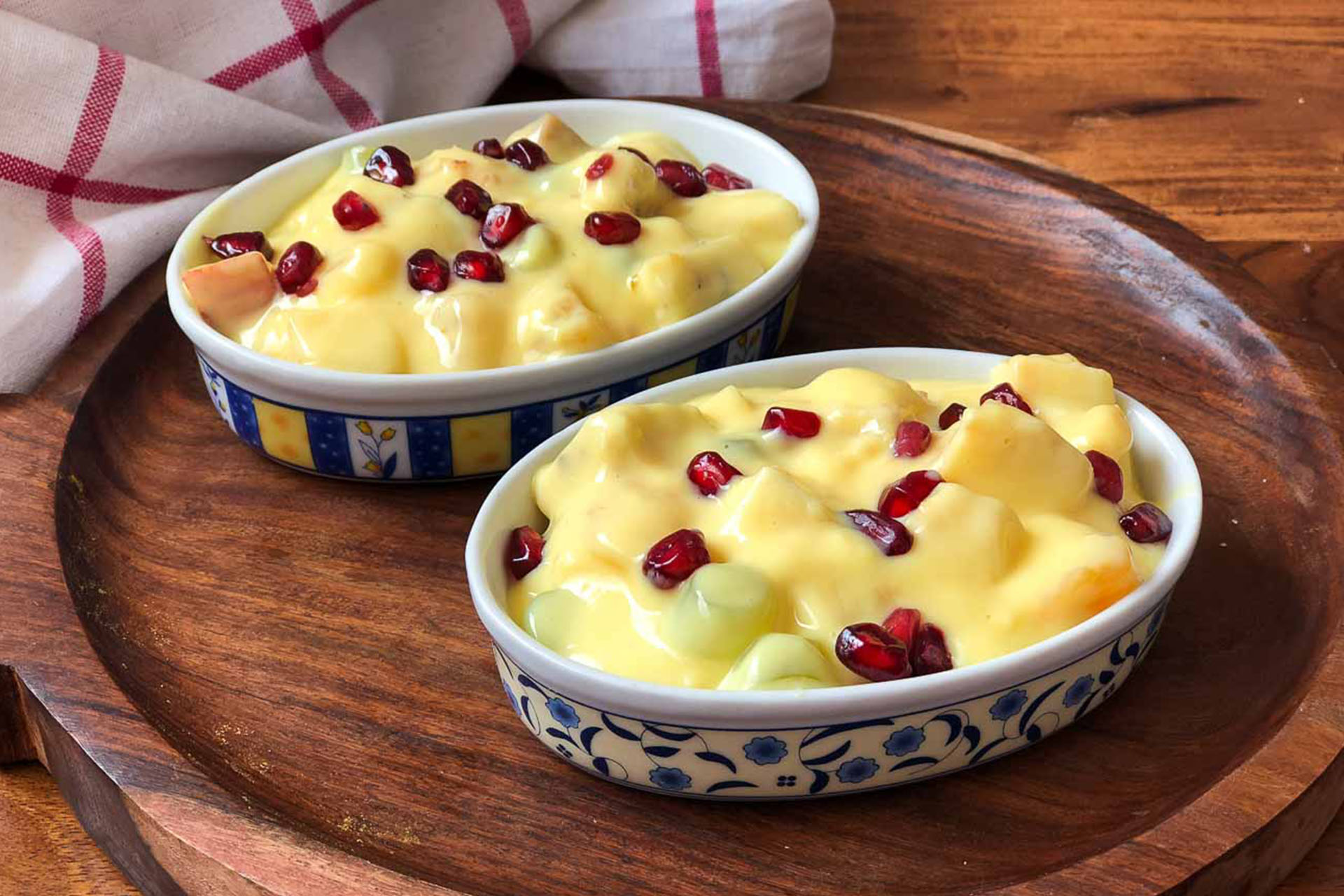
In the world of baking and pastry, a common question arises: Can custard powder be replaced with cornstarch? While many amateur cooks suggest they are interchangeable, professional bakers and food scientists argue otherwise.
The Short Answer
No, cornstarch cannot fully replace custard powder. While both contain starch, custard powder is a complex flavoring and coloring agent, whereas cornstarch is a neutral thickener.
Why Custard Powder is Unique
Custard powder is much more than just a starch. It is a “spice powder” designed to provide a specific sensory experience. Its complex composition includes:
- Aromatics: Strong milk and fruity flavors.
- Coloring: Food dyes that provide a light yellow or orange tint.
- Structure: A blend of stabilizers and bulking agents.
- Enrichment: Added milk powder for a creamier mouthfeel.
Custard Powder vs. Cornstarch: At a Glance
| Feature | Custard Powder | Cornstarch (Corn Flour) |
| Primary Function | Flavor, Color, and Aroma | Thickening and Structural Binding |
| Flavor Profile | Rich, Milky, and Fruity | Neutral / Tasteless |
| Color Impact | Golden Yellow / Light Orange | Transparent / White (No Color) |
| Ingredients | Starch + Flavor + Color + Milk Powder | 100% Pure Maize Starch |
The “Substitution Myth”: What Happens if You Swap Them?
Many people claim cornstarch is a viable substitute. Here is what actually happens if you make the switch:
- Loss of Flavor: Your dish will lose its characteristic “custard” or “pastry” scent. Cornstarch provides zero flavor.
- Pale Appearance: Without the food coloring found in custard powder, your cakes or fillings will look pale and less appetizing.
- Similar Texture: The only area where cornstarch succeeds as a substitute is in texture. Like custard powder, cornstarch will help improve the internal structure and “softness” of the finished product.
When Can You Use Cornstarch?
If a recipe calls for a small amount of custard powder and you don’t have it, you can use an equal amount of cornstarch in a pinch. However, you should realize that you are only replacing the structural benefit, not the taste or color. To get closer to the original result, you would need to manually add vanilla extract and a drop of yellow food coloring.
Conclusion
Custard powder is a specialized ingredient that “no one can truly replace.” While cornstarch is an excellent tool for improving the crumb of a cake or thickening a sauce, it lacks the aromatic and visual “magic” that defines custard powder.
When replacing custard powder with cornstarch, what additional ingredients are needed to match the original result?
Because cornstarch is a neutral thickening agent, it lacks the specific sensory properties of custard powder. To achieve a similar result, you must supplement the cornstarch with:
Sweetener: Since some custard powders contain a small amount of sugar, you may need to slightly increase the sugar in your recipe to maintain the desired sweetness level.
Flavoring: Add a few drops of vanilla extract or essence to replicate the characteristic aroma.
Coloring: Use a small amount of yellow food coloring or a pinch of turmeric to mimic the golden-yellow hue.
In which scenarios is it better to use plain cornstarch instead of custard powder?
While custard powder is excellent for desserts, plain cornstarch is the superior choice in the following situations:
Allergen Sensitivity: If you are cooking for someone with sensitivities to specific food dyes or artificial flavorings found in commercial custard powders, plain cornstarch offers a “cleaner” label alternative.
Savory Dishes: Cornstarch is ideal for thickening soups, stews, and savory gravies because it does not introduce unwanted vanilla flavors or bright yellow colors.
Pure Texture Focus: If you want to thicken a fruit pie filling while keeping the natural color of the fruit clear and vibrant, cornstarch provides a translucent finish that custard powder would otherwise cloud with its yellow pigment.


