
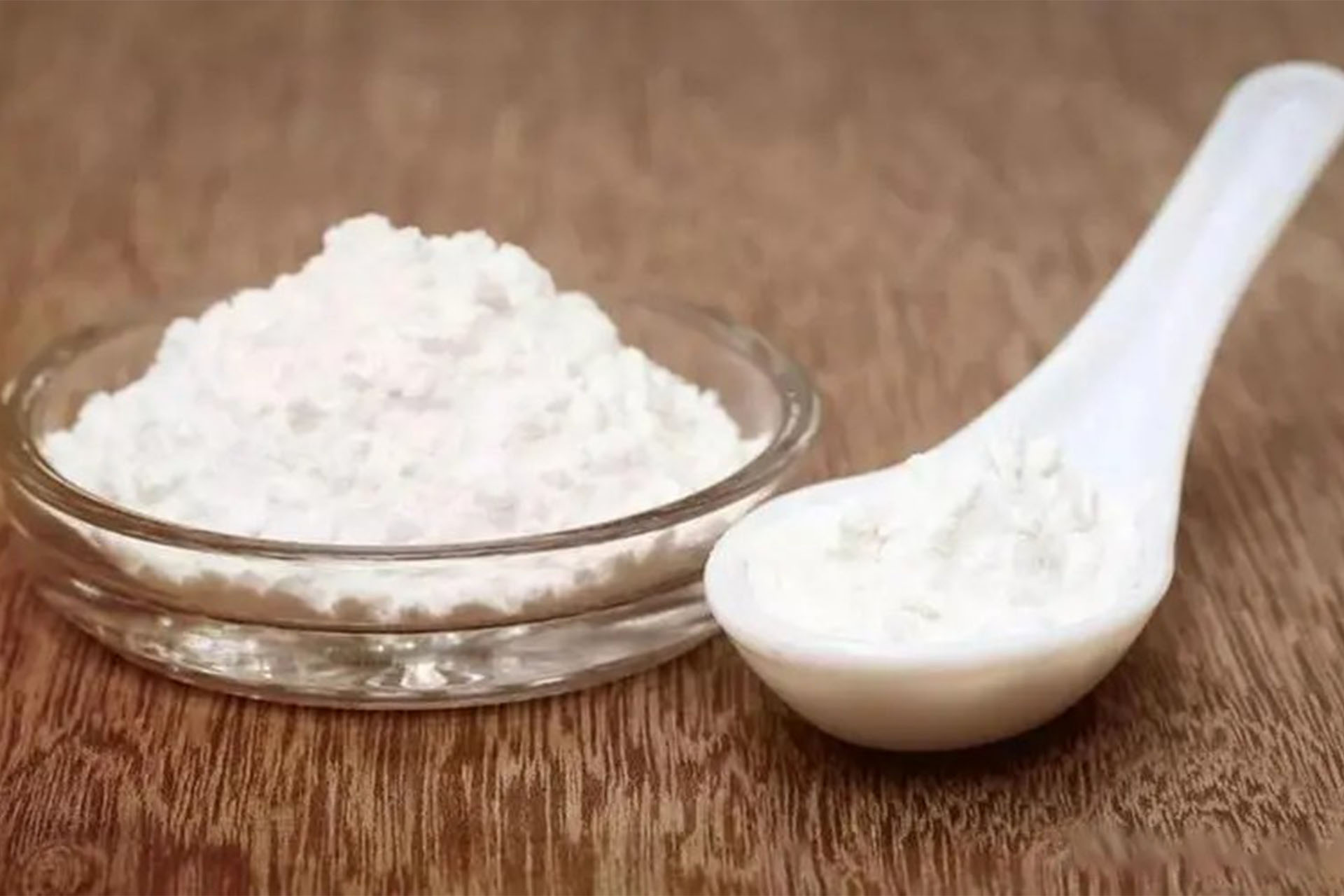
Baking powder is a precision ingredient. Because chemical compositions and potency vary between manufacturers, professional bakers always recommend a “small batch test” to verify the leavening effect before moving to full-scale production.
To help you achieve the perfect rise every time, here are the essential rules for using baking powder effectively and safely.
1. The Mechanism of Action: Why Mixing Order Matters
Baking powder works through an acid-base chemical reaction. This reaction is triggered by two things: moisture and heat.
The Recommended Mixing Order:
For the best results, always mix baking powder with dry flour first. * Why? When the powder is evenly distributed throughout the dry flour, the gas released upon adding water is “trapped” immediately by the flour’s structure.
- The Result: This ensures a uniform rise and prevents the gas from escaping too early, leading to a fluffier final product.
2. Mixing Baking Powder with Water: Two Critical Rules
While mixing baking powder directly into the kneading water is a common practice for some, it requires strict temperature and time controls to avoid “killing” the leavening power.
- Rule 1: Use Immediately. Once baking powder hits water, the chemical reaction begins. If the water-leavener mixture sits for too long, the gas will dissipate, leaving your dough flat.
- Rule 2: Control the Temperature. High temperatures accelerate the reaction too quickly.
- The Standard: Use the coolest water possible.
- The Limit: Ensure the water temperature does not exceed 25°C (77°F).
3. The Risks of Over-Addition and Aluminum
Using more baking powder does not always mean a better rise. In fact, over-usage can lead to significant quality and health issues.
Sensory Impact
Excessive baking powder creates a distinct bitter or “soapy” aftertaste in bread and pastries, ruining the flavor profile of your recipe.
Health Risks of Aluminum-Based Powders
Many traditional baking powders (often labeled as “Youtiao essence” or “Sweetener”) contain Potassium Alum. Excessive consumption of aluminum-based additives is linked to serious health risks:
- Neurological Impact: Medical research suggests a link between high aluminum intake and the development of Alzheimer’s disease and nerve cell damage.
- Bone Health: Long-term exposure can lead to osteoporosis and anemia.
- Developmental Issues: It can negatively affect the growth and cognitive development of children.
Expert Recommendation: Always choose Aluminum-Free Baking Powder. It provides a cleaner taste and eliminates the health risks associated with heavy metal consumption.
Why is it recommended to mix baking powder with dry flour instead of adding it directly to water?
Baking powder triggers a chemical reaction as soon as it encounters moisture. If you mix it directly into water and let it sit, the gas (carbon dioxide) will escape before it can be trapped by the dough’s structure, resulting in a flat final product. By mixing it with dry flour first, the powder is evenly distributed; once liquid is added, the flour immediately “traps” the released gas, ensuring a uniform and fluffy rise. If you must mix it with water, the water temperature should stay below 25°C (77°F) and be used immediately.
What are the risks of using baking powder that contains aluminum?
Many traditional baking powders contain potassium alum, which can lead to both sensory and health issues. Taste-wise, excessive use of aluminum-based powders can leave a bitter or “soapy” aftertaste. From a health perspective, long-term or high consumption of aluminum is linked to serious risks, including neurological damage (such as Alzheimer’s disease), bone health issues like osteoporosis, and developmental or cognitive delays in children. To ensure food safety and better flavor, experts recommend choosing “Aluminum-Free” baking powder.


