
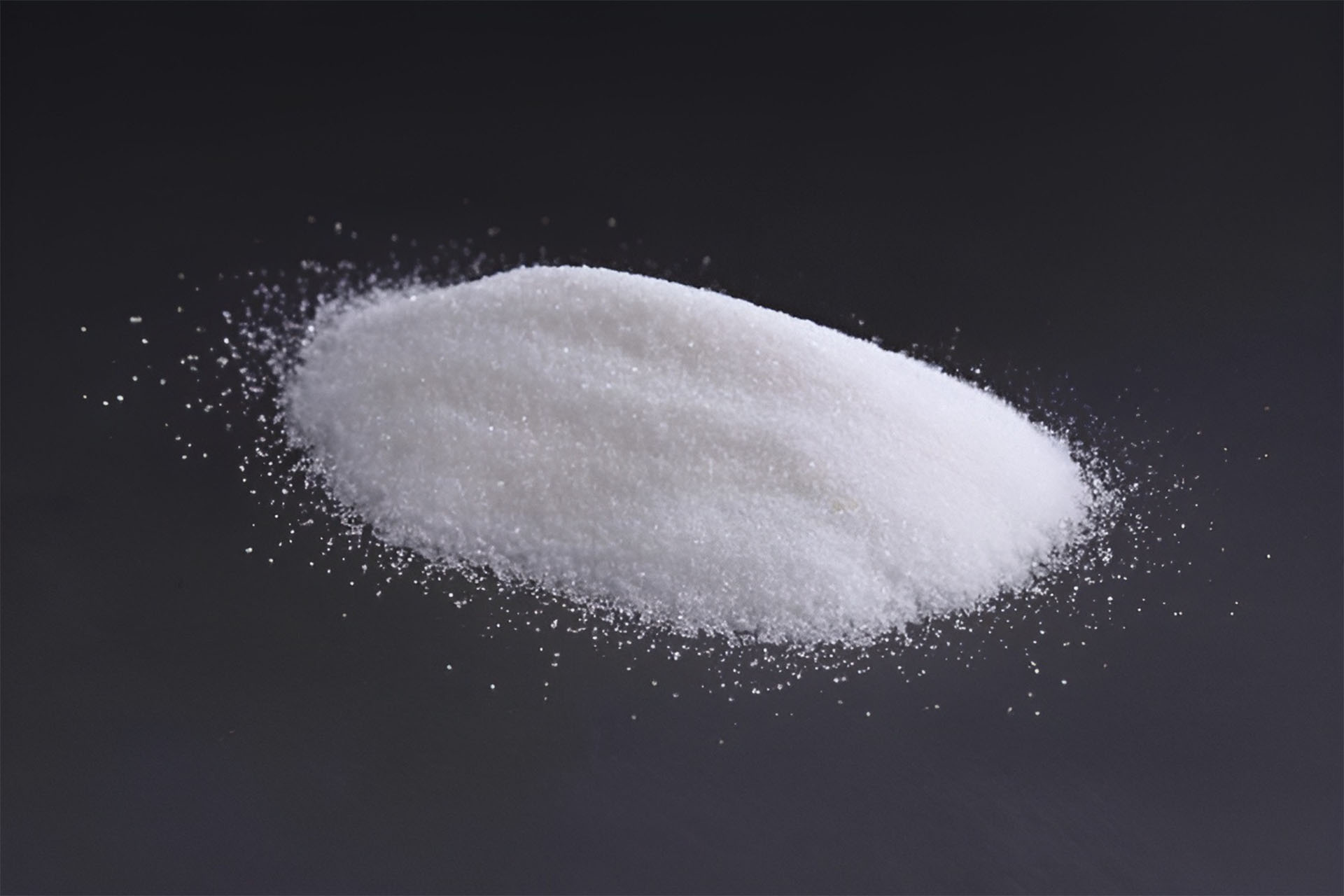
The Origins and Significance of Calcium Propionate
From Spoilage to Preservation
Calcium propionate was born out of humanity’s eternal battle against food spoilage. Scientists discovered that propionic acid and its salts have strong antibacterial properties, and calcium propionate quickly became a preferred choice due to its safety, effectiveness, and minimal impact on taste.
A Key Player Among Preservatives
Alongside sodium benzoate and potassium sorbate, calcium propionate serves as a frontline defense in modern food safety. Its mild nature makes it indispensable in baked goods, dairy products, and other food categories.
How Calcium Propionate Works
The Antimicrobial Mechanism
As a fatty acid salt, calcium propionate enters microbial cells and converts into propionic acid. This process lowers intracellular pH, inhibits microbial enzyme activity, and prevents the growth of mold, yeast, and certain bacteria.
Special Role in Bread and Bakery Products
Calcium propionate is particularly effective against aerobic Bacillus spores, which cause bread spoilage. This makes it an irreplaceable preservative in bakeries, offering a balance of safety and efficiency compared to stronger chemical preservatives.
Scientific Evaluation and Safety
Rigorous Global Standards
The Joint Expert Committee on Food Additives (JECFA) under the FAO and WHO confirmed calcium propionate’s highest safety rating, with an ADI of “not subject to special regulation.”
National Regulations and Guidelines
In China, the National Food Safety Standard (GB 2760-2014) defines maximum usage levels for calcium propionate in different food categories, ensuring safe long-term consumption.
Practical Applications in the Food Industry
Baked Goods
- Inhibits mold growth in bread and pastries
- Provides calcium ions, offering added nutritional value
Dairy Products
- Prevents pores and off-flavors in cheese
Condiments
- Stops white film formation in soy sauce and vinegar
Compatibility with Yeast Fermentation
Unlike sorbate-based preservatives, calcium propionate’s weaker effect on yeast makes it ideal for fermented foods, ensuring both safety and product quality.
Broader Impact: Food Preservation and Waste Reduction
Extending Shelf Life and Reducing Waste
From ancient salting and sun-drying to modern additives, calcium propionate represents the evolution of food preservation. By extending food shelf life, it also reduces food waste.
👉 According to the FAO, around 1.3 billion tons of food are wasted annually, nearly one-third of global production. Proper use of preservatives can help lower this staggering figure.
The Future of Calcium Propionate
Technological Advancements
- Nanotechnology: potential to enhance antimicrobial efficacy
- Bioengineering: greener, sustainable production methods
- Controlled-release technology: more precise and efficient use
Clean Label Trends
As consumers demand natural and transparent labels, calcium propionate may increasingly come from natural sources instead of chemical synthesis, aligning with the “clean label” movement.
Scientific Rationality and Consumer Awareness
Food additives are not enemies—scientific use is the key. Calcium propionate has proven to be a safe, reliable food guardian, reducing waste and ensuring safety. Instead of fearing additives, consumers should:
- Understand their scientific basis
- Focus on overall dietary balance
- Trust established safety standards
Conclusion
Calcium propionate is more than a preservative—it is a symbol of food safety progress. With its safety, effectiveness, and adaptability, it plays a crucial role in modern food systems and in building consumer trust through science.


