
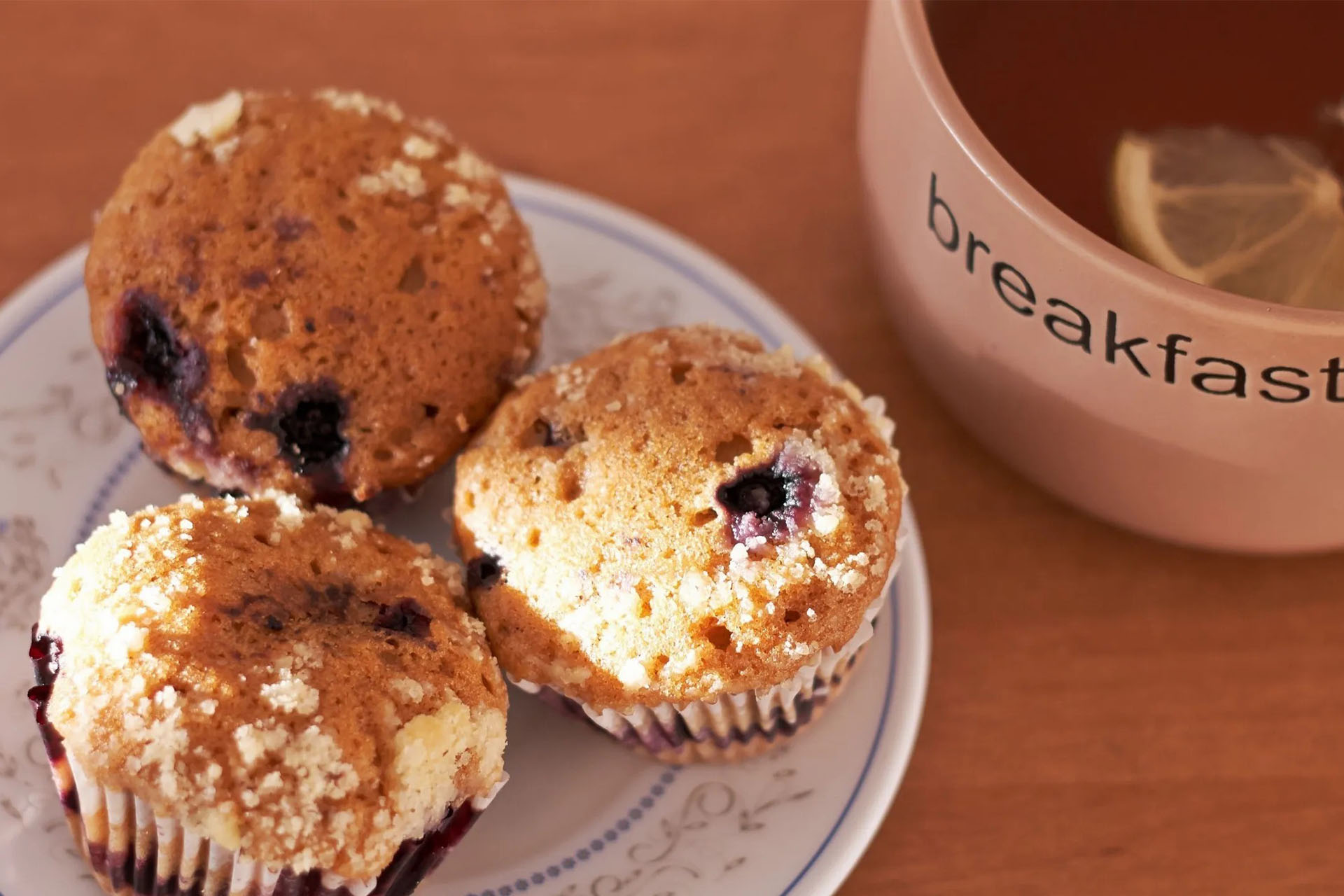
What Is Moldy Pastry?
Moldy pastry refers to pastries contaminated by fungi, showing fluffy spots in various colors. Common mold genera include Penicillium, Aspergillus, Rhizopus, and white mold. High storage temperatures and surface condensation promote mold growth, which is why water activity (Aw) control is essential in pastry production.
Why Pastries Become Moldy and Sticky
Filamentous Mucilage Contamination
Sticky, slimy pastry is usually caused by Potato bacterium. Its spores tolerate temperatures up to 140°C, commonly exist in soil or grain, and can survive baking because pastry core temperature only reaches about 100°C.
Growth Conditions
Fungi grow best between 35–50°C and reproduce rapidly during summer and autumn. Growth slows significantly when temperatures drop below 16°C. Fungal metabolism decomposes starch and protein, forms mucus, causes discoloration, and accelerates fat hydrolysis, resulting in unpleasant odors.
1. Causes of Mold Growth in Pastries
Incomplete Baking
Some manufacturers shorten baking times to increase production. This results in:
- Insufficient high-temperature exposure at the pastry center
- High residual microbial load
- Higher product water activity
Such products often grow mold only 3–4 days after production.
Insufficient Cooling Before Packaging
If pastries are packaged before fully cooling to room temperature, they retain heat and moisture—ideal conditions for mold growth.
Unreasonable Formulation
Problems Related to Preservatives
Mold issues persist even when preservatives are used if:
- Product acidity is not properly adjusted
- Preservative selection or dosage is incorrect
- Ingredients are incompatible
- Production environment is poorly controlled
Other Formula Issues
Imbalanced ratios of sugar and oil or failure to manage water activity (Aw>0.65) will accelerate mold growth.
Differences in Baking Equipment
Open-hearth ovens, convection ovens, and flint ovens each influence moisture removal and heating uniformity differently, which affects mold resistance.
Poor Environmental Hygiene
Common Environmental Problems
- Dirty work surfaces, racks, or tools
- Accumulated old pastries around cooling areas
- Condensation issues
- Incorrect cooling distance from oven
- Poor dynamic air purification
- Dirty air-conditioning systems or filters
All of these increase the risk of environmental mold contamination.
Inadequate Production Hygiene Control
Issues include:
- Poor personal hygiene
- Contaminated packaging materials
- Cross-contamination
- Dirty work clothes
- Insufficient sterilization or environmental disinfection
- Lack of air and gas purity control
Poor Storage and Packaging Conditions
Cakes stored in high temperature, high humidity, or poorly sealed packaging are at high risk of spoilage. Long storage times without proper oxygen barriers also increase deterioration.
2. How to Prevent Pastries From Becoming Moldy
Conduct Thorough Hazard Analysis
Quality managers should analyze hazards throughout the production process and set strict critical control points (CCPs).
Follow Proper Production Processes
Operators must follow process parameters, maintain strict microbial limits, and ensure baking, cooling, and packaging comply with standards.
Optimize Formulation
Improve mold resistance by:
- Adjusting sugar and oil ratios
- Modifying product acidity
- Using compatible preservative systems
- Reducing water activity (Aw)
Improve Workshop Hygiene
Environmental and Facility Management
- Professionally design new factories with proper layout and airflow
- Correct existing issues in older facilities
- Maintain good air purification and ventilation
This is critical for extending pastry shelf life.
Daily Hygiene Practices
- Strict personal hygiene
- Thorough cleaning and disinfection of equipment and utensils
- Removal of crumbs and residues that harbor mold spores
- Proper cooling: pastries must cool to room temperature before packaging
Relying solely on UV sterilizers is ineffective because UV and ozone require specific conditions rarely met in food factories.
Proper Storage and Distribution
- Store pastries in cool, dry, well-ventilated environments
- Prefer storage at 5–15°C when possible
- Use sealed packaging with strong oxygen barrier properties
- Add anti-mold agents when appropriate
- Strengthen transportation hygiene, especially during hot seasons
Conclusion
To produce high-quality pastries with a long shelf life, mold control must be the top priority. If mold issues persist, production efficiency, product quality, and customer trust will suffer. Many companies struggle because they avoid investing in proper environment control.
Professional purification companies may not understand the unique aspects of pastry production, leading to high costs with limited effectiveness. However, with a clear understanding of pastry processing and targeted improvements, manufacturers can greatly reduce mold contamination with reasonable investment.
Why do high-moisture pastries sometimes grow mold even when preservatives are used?
The presence of preservatives alone does not guarantee a mold-free product if other critical factors are ignored. Common reasons for preservative failure include:
Environmental Contamination: Even with preservatives, a dirty production environment—such as contaminated air filters or unsterilized work surfaces—can introduce a high “microbial load” that overwhelms the preservative system.
Incorrect pH Levels: Most preservatives (like calcium or sodium propionate) are pH-dependent and lose effectiveness if the product’s acidity is not properly adjusted.
High Water Activity (Aw): If the water activity remains above 0.65, it creates an environment where mold can thrive despite chemical inhibitors.
Poor Cooling Practices: If pastries are packaged before they have completely cooled to room temperature, they release residual heat and moisture. This creates condensation inside the packaging, which significantly accelerates mold growth.
What are the most effective formulation and storage strategies to extend shelf life?
To prevent mold in high-moisture products, manufacturers should adopt a multi-layered approach:
Oxygen Barriers: Use high-quality, sealed packaging with strong oxygen barrier properties to limit the air available for mold to grow.
Formulation Optimization: Adjust the ratios of sugar and oil to help lower the water activity. Choosing compatible preservative systems and ensuring they are evenly distributed during the mixing stage is also essential.
Strict Hygiene & Cooling: Ensure the cooling area is clean and that products reach room temperature before sealing. This prevents the “greenhouse effect” of trapped moisture.
Ideal Storage Conditions: Store finished goods in a cool, dry, and well-ventilated space. Ideally, maintaining temperatures between 5°C and 15°C can significantly slow down fungal reproduction, especially during hot and humid seasons.


