
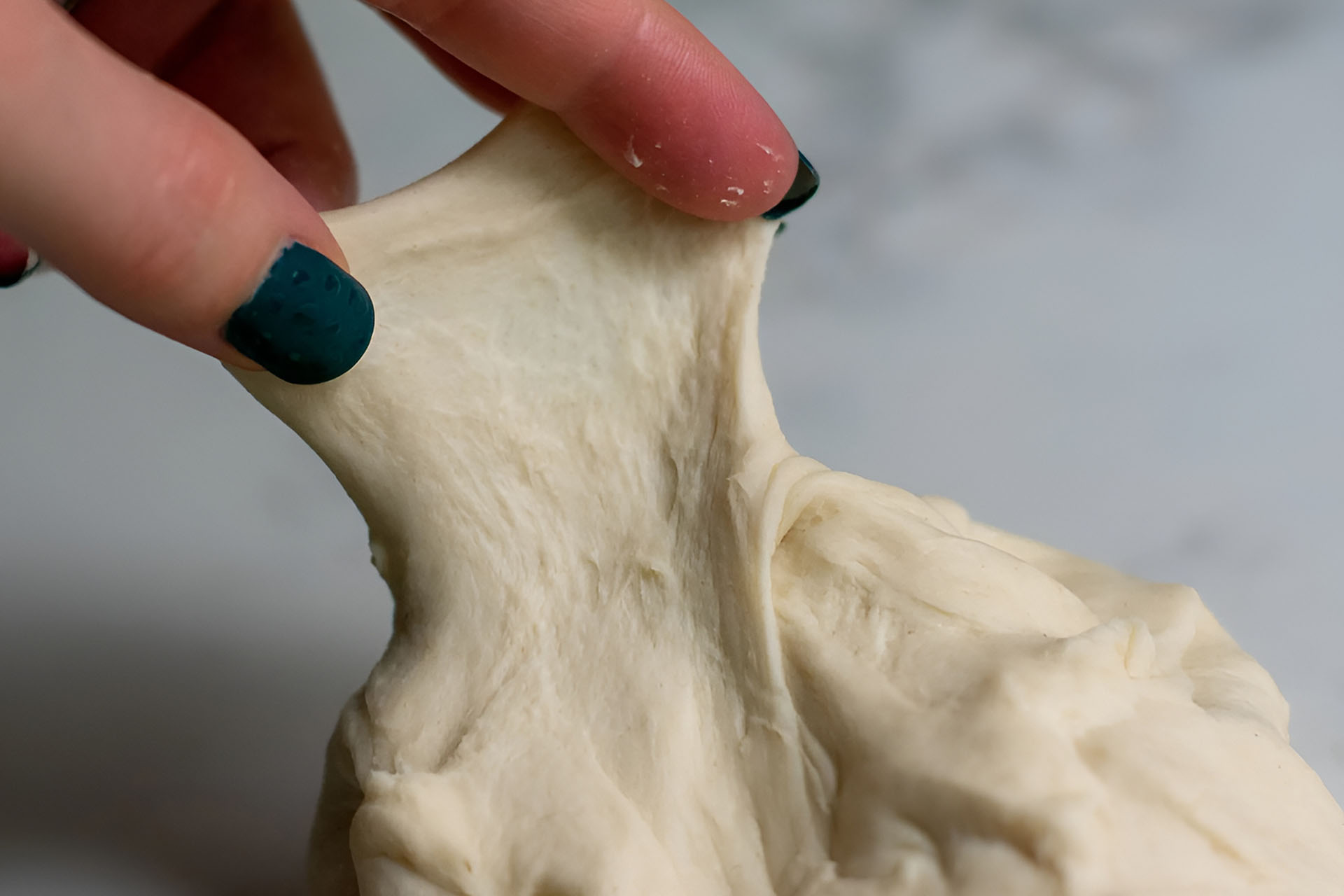
Dry yeast is a key ingredient in bread making because it makes dough rise and creates the fluffy, aromatic texture we love. However, many bakers—both beginners and experienced—often face issues like fermentation failure, bland flavor, or poor bread texture. These problems are usually not due to poor yeast quality but rather a lack of understanding of how dry yeast works.
This guide explains the main factors that affect yeast activity—temperature, sugar, dosage, and storage—and provides practical solutions to help you master bread fermentation.
1. How Dry Yeast Works: Living Microorganisms in Action
Dry yeast is a dormant form of Saccharomyces cerevisiae, preserved through dehydration. Once rehydrated, yeast becomes active under the right conditions, consuming sugars and producing carbon dioxide to make dough rise.
Its activity depends on factors such as:
- Temperature
- Sugar content
- Osmotic pressure
- pH balance
If these conditions are not well managed, yeast becomes inefficient or inactive, leading to poor fermentation.
2. Temperature and Yeast Activity
Temperature is the most critical factor for yeast performance.
- Optimal growth temperature: 25–28°C
- Fermentation temperature range: 30–38°C
Common Temperature Mistakes:
- Improper activation water temperature:
Dry yeast needs warm water at 35–40°C. Water below 20°C slows activation, while water above 50°C kills yeast instantly. Always use a thermometer for accuracy. - Unstable fermentation environment:
Temperatures below 20°C slow fermentation, while temperatures above 40°C cause off-flavors and yeast death. Use a controlled environment like a fermentation box in winter or avoid overheating in summer. - Cold fermentation pitfalls:
Low-temperature fermentation improves flavor but requires reducing yeast dosage by about 30%. Using the standard amount often causes poor texture or off-flavors.
3. Sugar Content: Choosing the Right Yeast
Sugar feeds yeast, but concentration affects performance. Commercial yeasts are divided into:
- Low-sugar yeast (for doughs ≤7% sugar, e.g., baguettes, European bread)
- High-sugar yeast (for doughs >7% sugar, e.g., sweet bread, brioche, toast)
Mistakes to Avoid:
- Using low-sugar yeast in sweet dough → yeast dehydrates and dies.
- Using high-sugar yeast in lean dough → weaker fermentation flavor.
👉 Pro tip: Select yeast based on recipe sugar content and always keep sugar and salt separate (salt directly inhibits yeast).
4. Yeast Dosage and Ingredient Interactions
Many bakers think adding more yeast speeds up fermentation, but overuse creates problems.
- Too much yeast (>1.5% flour weight): Fast fermentation, collapsed dough, and strong yeasty smell.
- Too little yeast (<0.8%): Slow rise and dense bread.
Interactions with Ingredients:
- Fats: Small amounts soften gluten, but excess (e.g., >10% butter) inhibits yeast.
- Acids: A dough pH <4.0 slows fermentation. Consider acid-tolerant yeast or adjust dosage.
👉 Best practice: Follow recipes precisely (weigh to 0.1g). For high-fat or high-sugar bread, adjust yeast but do not exceed 2%.
5. Dry Yeast Storage and Shelf Life
Dry yeast is a live product and loses effectiveness if stored improperly.
- Unopened yeast: Store in a cool, dry place away from heat and humidity.
- Opened yeast: Keep sealed and refrigerated; use within 2 weeks, or freeze in small portions. Avoid repeated thawing.
- Yeast activity test: Dissolve yeast in warm water (35°C) with sugar. If it foams in 5–10 minutes, it’s still active.
6. Common Bread Fermentation Problems and Solutions
- Slow fermentation: Check yeast freshness, room temperature, or sugar content. Switch to the right yeast type.
- Over-fermentation: Dough collapses and smells sour. Reduce fermentation time or lower temperature.
- Off-flavors in bread: Usually caused by excessive yeast or high fermentation temperature, producing unwanted byproducts.
Final Thoughts
Using dry yeast for bread making requires attention to detail. By managing temperature, sugar, dosage, and storage, you can prevent fermentation problems and achieve bread with excellent rise, texture, and flavor.
Whether you’re baking a simple baguette or a rich brioche, understanding how yeast works is the key to success. Follow these guidelines, and your bread will rise beautifully every time.


