
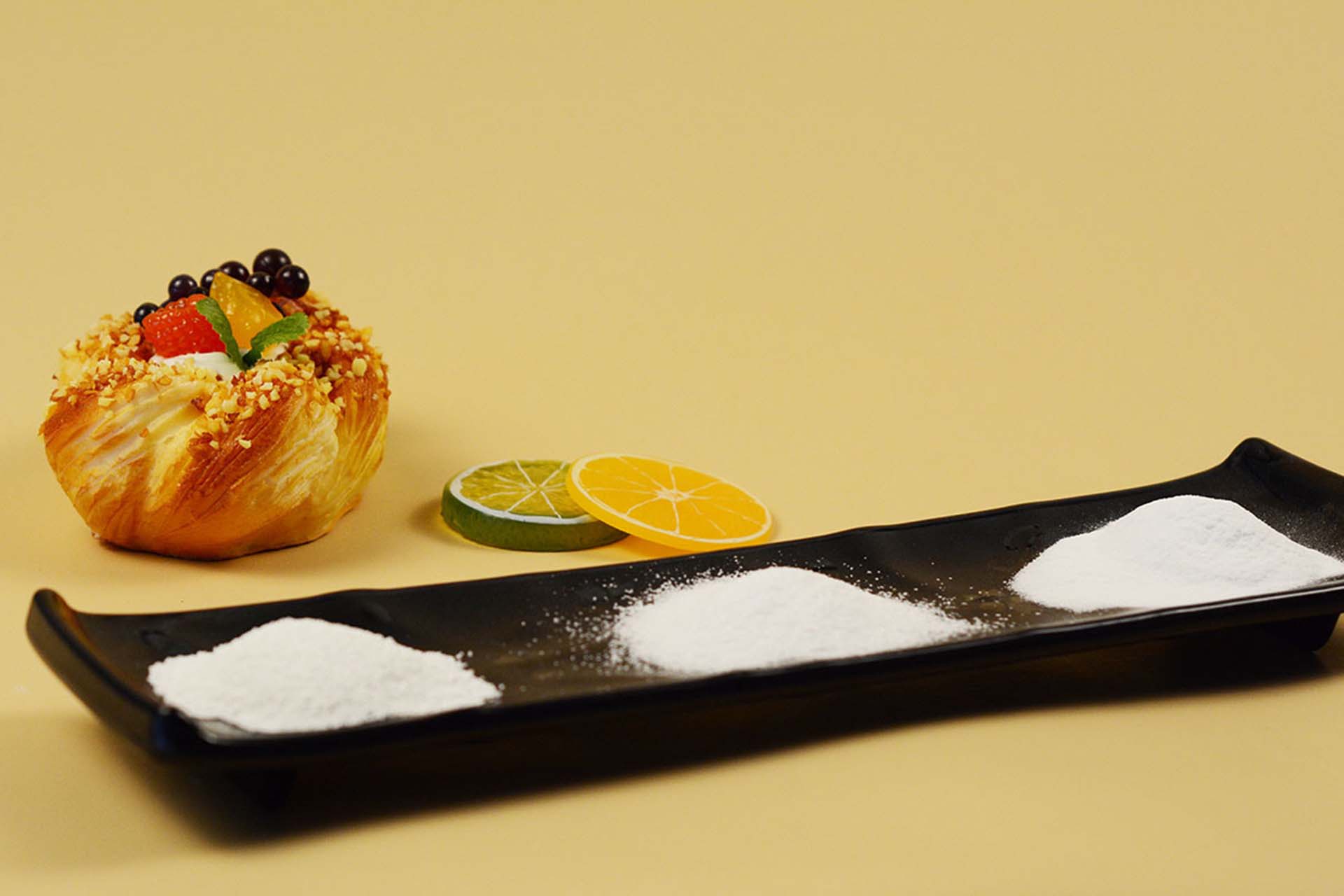
Calcium propionate is an organic salt used globally as a highly effective acidic preservative. Approved by the World Health Organization (WHO) and the Food and Agriculture Organization (FAO), it has become a preferred alternative to traditional preservatives like sodium benzoate and potassium sorbate due to its superior safety profile and non-toxicity.
1. Physical and Chemical Properties
Often referred to as calcium initial oleate, calcium propionate is a versatile chemical compound known for the following characteristics:
- Appearance: Typically found as white light scale crystals, granules, or a fine powder.
- Solubility: Highly soluble in water and slightly soluble in ethanol. It is virtually insoluble in organic solvents like acetone and benzene.
- Stability: It is easily deliquescent (absorbs moisture) in humid environments, requiring proper storage.
- Mechanism of Action: In an acidic medium, it forms propionic acid, which penetrates the cell walls of microorganisms to exert an antibacterial and antifungal effect.
2. Why Use Calcium Propionate? (Key Benefits)
As a modern food and feed additive, calcium propionate offers several advantages over older chemical preservatives:
- Safety & Non-Toxicity: It is metabolized by the human body similarly to fatty acids, making it exceptionally safe for long-term consumption.
- Extended Shelf Life: It effectively inhibits the growth of mold and aerobic bacteria, significantly prolonging the freshness of products.
- Nutritional Value: Unlike some preservatives, it serves as a mineral additive, providing a source of calcium.
- Broad Spectrum: While primarily an antifungal agent, it also acts as a dispersant and preservative in various industrial applications.
3. Industrial Applications of Calcium Propionate
Food Industry
Calcium propionate is a staple in the bakery and dairy sectors. It is commonly used in:
- Bakery Products: Bread and pastries to prevent “rope” (bacterial spoilage) and mold.
- Dairy: Cheeses and processed dairy products.
Feed Industry
In agriculture, it is used as both a mineral supplement and an antifungal agent for livestock feed, ensuring the nutritional quality of the feed remains intact during storage.
Medicine & Daily Chemicals
Due to its antimicrobial properties, it is also found in pharmaceutical formulations and daily chemical products (like cosmetics or toothpaste) to prevent microbial contamination.
4. The Importance of pH in Preservative Efficacy
The effectiveness of calcium propionate is highly dependent on the pH level of the environment. As an acidic preservative, it performs best in lower pH conditions:
| Environment pH | Minimum Inhibitory Concentration (MIC) |
| pH 5.0 | 0.01% (Highly effective) |
| pH 6.5 | 0.5% (Requires higher concentration) |
It shows a particularly strong inhibitory effect against Gram-negative bacilli and aerobic bacillus when used in acidic mediums.
Conclusion: A Growing Global Market
With the increasing consumer demand for clean-label and safe food additives, the application space for calcium propionate is expanding. Its ability to replace more toxic alternatives while maintaining high efficiency makes it a cornerstone of modern food science and industrial preservation.
Why is calcium propionate considered an effective preservative in the food industry?
Calcium propionate is highly valued because it effectively inhibits the growth of molds and certain bacteria, which significantly extends the shelf life of food products. It is particularly popular in the baking industry because it does not interfere with the fermentation process of yeast, allowing bread to rise properly while remaining protected from spoilage.
Is calcium propionate safe for long-term consumption?
Yes, calcium propionate is widely recognized as a safe food additive (GRAS) by international regulatory bodies, including the FDA and EFSA. Since it is the salt form of propionic acid—a fatty acid naturally found in some foods and produced in the human digestive system—the body processes it efficiently. In addition to its preservative qualities, it also provides a supplemental source of calcium.


