
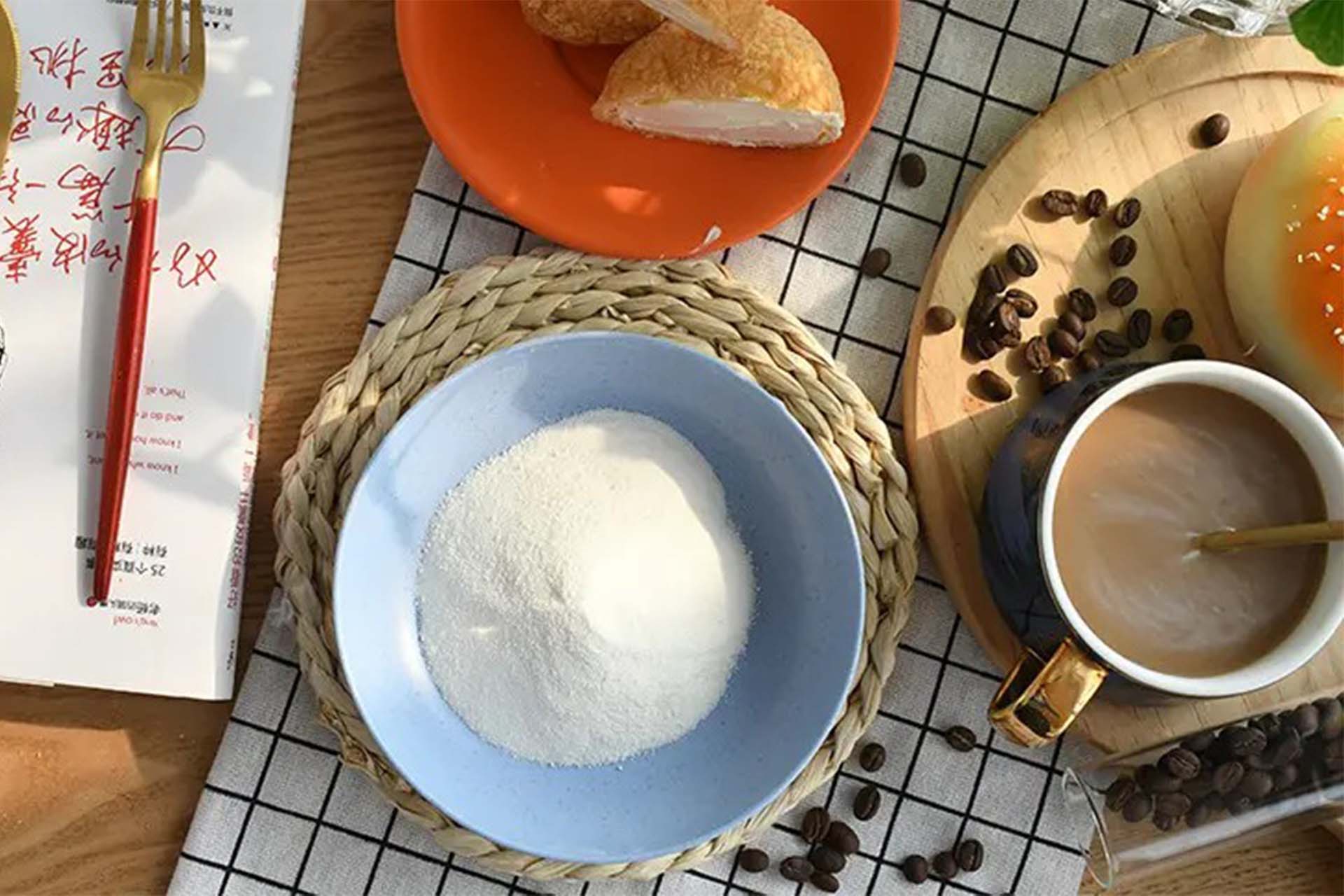
Non-dairy creamer, often referred to as coffee whitener, is a versatile ingredient used across the food industry. While it is celebrated for enhancing texture and flavor, its nutritional profile has evolved significantly due to health research and advancements in food technology.
The Functional Benefits of Non-Dairy Creamer
Non-dairy creamer is more than just a coffee additive; it is a vital component in food processing that improves the sensory qualities of various products:
- Texture & Mouthfeel: It creates a delicate, lubricated, and thick consistency, making it a “perfect partner” for coffee and instant oatmeal.
- Bakery Applications: In cakes, it produces a fine internal structure and improves elasticity. In biscuits, it enhances crispness and prevents “oil leakage.”
- Cost-Efficiency: With excellent instant solubility and a milk-like flavor profile, it can replace or reduce the need for expensive milk powder, lowering production costs while maintaining quality.
Health Concerns: The Shift from Trans Fats to Innovation
Historically, the production of non-dairy creamer relied on the partial hydrogenation of vegetable oils. However, recent nutritional studies have led to a major shift in the industry:
The Risk of Trans Fatty Acids
Partial hydrogenation converts unsaturated fats into a saturated or semi-saturated state, producing trans fatty acids. These fats are linked to:
- Increased low-density lipoprotein (LDL/“bad” cholesterol).
- Decreased high-density lipoprotein (HDL/“good” cholesterol).
- Higher risks of arteriosclerosis, heart disease, and cerebrovascular accidents.
The Modern Solution: Full Hydrogenation
Modern oil manufacturers have mastered full hydrogenation and new enzymatic technologies. Unlike partial hydrogenation, full hydrogenation does not produce trans fats. Global health regulations now often require manufacturers to label trans fat content, with a recommended daily intake limit of 2 grams and a food composition limit of 1%.
The Origin Story: From Milk to “Coffee Mate”
The term “creamer” originally referred to the physical container used for milk. However, the liquid nature of milk presented storage challenges.
The Rise of the Powdered Creamer
In the 1960s, Nestlé revolutionized the market by developing “Coffee Mate.” This powdered alternative offered several advantages:
- Shelf Stability: Unlike liquid milk, it requires no refrigeration.
- Convenience: Its powdered form makes it ideal for travel and office use.
- Visual Appeal: It lightens the coffee’s color and softens the acidic bite of the brew.
Note: While “Coffee Mate” is a household name, it is a registered trademark of Nestlé. Competitors typically label their products as “Non-Dairy Creamer” or “Coffee Whitener.”
Key Takeaways for Consumers
When choosing a creamer today, look for labels indicating “0g Trans Fat” or “Non-Hydrogenated.” These products offer the same creamy texture and solubility without the cardiovascular risks associated with older processing methods.
How has the production of non-dairy creamer changed to address health concerns?
Historically, non-dairy creamers were produced using partial hydrogenation of vegetable oils, a process that creates trans fatty acids linked to heart disease and high cholesterol.
To meet modern health standards and regulations, the industry has shifted toward full hydrogenation and new enzymatic technologies. Unlike partial processes, full hydrogenation does not produce trans fats. This allows manufacturers to provide the same creamy texture and instant solubility while offering products labeled as “0g Trans Fat.”
What functional advantages does non-dairy creamer provide in baking compared to liquid milk?
In addition to being a more cost-effective alternative to milk powder, non-dairy creamer offers specific structural benefits in the baking process:
Solubility: Its excellent instant solubility makes it easier to incorporate into dry mixes and doughs compared to liquid alternatives.
In Cakes: It helps produce a finer internal structure and improves the elasticity of the crumb.
In Biscuits: It enhances crispness and helps prevent “oil leakage,” ensuring a better shelf appearance and texture.


