
Non-dairy Creamer: A Common Ingredient in Modern Food Industry
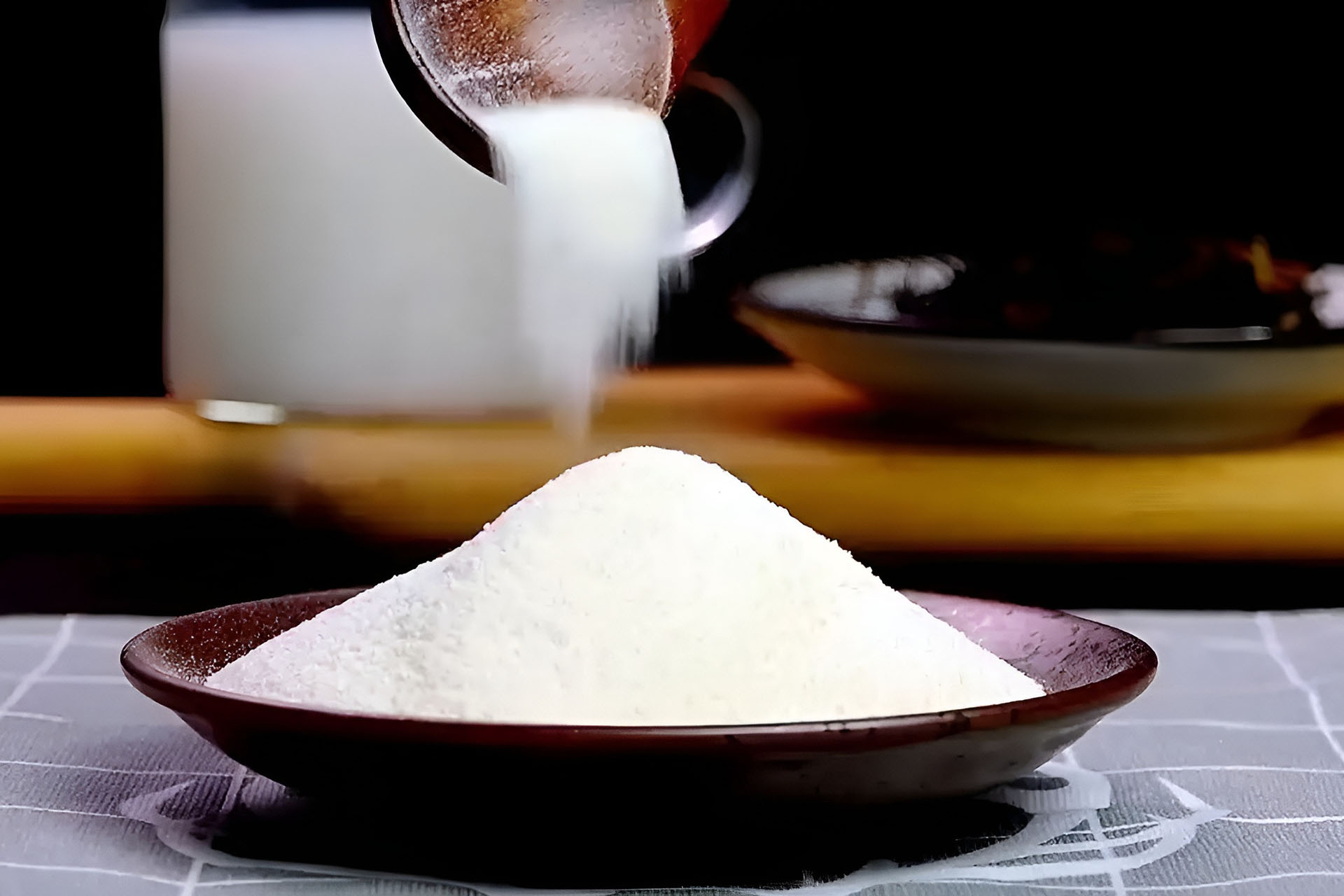
Non-dairy creamer, also known as creamer or coffee creamer, is a powdered product made from vegetable oil, protein, sugars, and various food additives. Since its introduction in the 1960s, it has rapidly become a widely used ingredient in coffee, milk tea, baked goods, and instant beverages due to its excellent solubility, stable emulsifying properties, and low cost.
The main components of non-dairy creamer include vegetable oil (providing the fat base), sugars (such as corn syrup), emulsifiers (such as monoglycerides and sucrose esters), stabilizers, and flavoring agents. The protein component is a crucial part of the functionality and nutritional value of non-dairy creamer, and its content and quality have a significant impact on the characteristics of the final product.
Sources and Functions of Protein in Non-dairy Creamer
The protein in non-dairy creamer is mainly derived from plant proteins, commonly including soy protein, wheat protein, or whey protein. These proteins play multiple roles in non-dairy creamer:
Functionally, as natural emulsifiers, proteins help form stable emulsions in oil-water systems, preventing fat from rising and water from sinking, ensuring a uniform and stable solution during preparation. Proteins also participate in the Maillard reaction, reacting with reducing sugars during heating to impart the product’s unique aroma and color.
Structurally, protein molecules can form a network structure, encapsulating fat particles, improving the product’s dispersibility and solubility, directly affecting the texture and taste of the non-dairy creamer.
Nutritionalally, protein is an essential nutrient for the human body, participating in various physiological functions such as tissue construction, enzyme and hormone synthesis. The protein content in non-dairy creamer is directly related to its nutritional value.
The Practical Significance of Protein Content:
Beyond the Numerical Value The percentage of protein content on a non-dairy creamer label is not just a simple number; it conveys multiple layers of information:
1. An Indicator of Product Quality
Higher protein content in non-dairy creamer usually means the use of more protein raw materials, which is often associated with more complex production processes and higher costs. Higher protein content generally results in better taste and stability, especially in high-temperature or acidic environments. For example, in ready-to-drink milk tea, non-dairy creamer with higher protein content is better able to resist protein denaturation caused by tea polyphenols, reducing sedimentation.
2. Nutritional Value Reference
Although non-dairy creamer is primarily used as a flavor and texture improver, its protein content still provides consumers with some nutritional supplementation. According to national standards, the protein content of non-dairy creamer is typically between 0.5% and 3%, with some high-end products reaching over 5%. For those who frequently consume beverages containing non-dairy creamer, this protein source, while not significant, should not be completely ignored.
3. Product Classification Standards
In international food classification, protein content is sometimes used as one of the standards to distinguish between “dairy” and “non-dairy” products. Some countries and regions have specific requirements for the protein content of non-dairy creamer products, which directly affects product labeling and market positioning.
A Scientific Interpretation of the Relationship Between Protein Content and Health
The relationship between the protein content in non-dairy creamer and its health effects is complex and requires examination from multiple perspectives:
Protein Quality Considerations
Plant and animal proteins differ in their amino acid composition. Most plant proteins lack one or more essential amino acids, resulting in relatively low biological value. While commonly used protein sources in non-dairy creamer, such as soy protein, are relatively complete, they still need to be combined with other protein sources to meet the body’s requirements for essential amino acids.
Synergistic Effect of Protein and Fat
The protein-to-fat ratio in non-dairy creamer may affect its metabolism in the body. Studies have found that adequate protein can slow fat absorption and increase satiety. However, this effect has limited practical significance in non-dairy creamer because it is usually used in small amounts as an additive, not as a primary source of nutrition.
How Consumers Should Rationally View the Protein Content in Non-dairy Creamer
For consumers concerned about nutrition and health, understanding the significance of the protein content in non-dairy creamer requires balancing multiple factors:
Limitations of Understanding
The protein content in non-dairy creamer is generally low and should not be considered a primary protein source. A cup of coffee with 2 grams of non-dairy creamer provides only about 0.1 grams of protein, negligible compared to an egg (about 6 grams of protein) or a cup of milk (about 8 grams of protein).
Focus on Overall Nutrition
When evaluating the nutritional value of non-dairy creamer products, consider their fat type and content (especially trans fatty acids), sugar content, and additives, rather than solely focusing on protein content. Choosing products with low levels of partially hydrogenated vegetable oil and no trans fatty acids is more important.
Industry Trends and Technological Innovation
With increasing consumer health awareness and technological advancements, the non-dairy creamer industry is moving towards healthier and more natural products:
Upgraded Protein Raw Materials More and more manufacturers are using higher-quality protein raw materials, such as isolated soy protein and pea protein, which offer better functionality and a more complete amino acid profile.
Process Optimization Modern production technologies, such as microencapsulation and low-temperature spray drying, better preserve the natural structure and nutritional value of proteins, reducing the formation of harmful substances.
Product Innovation Protein-fortified non-dairy creamers have emerged on the market, specifically designed for certain groups, such as fitness enthusiasts or older adults with higher protein requirements. At the same time, the number of non-dairy creamer products with additive-free and clean labels is gradually increasing.


